
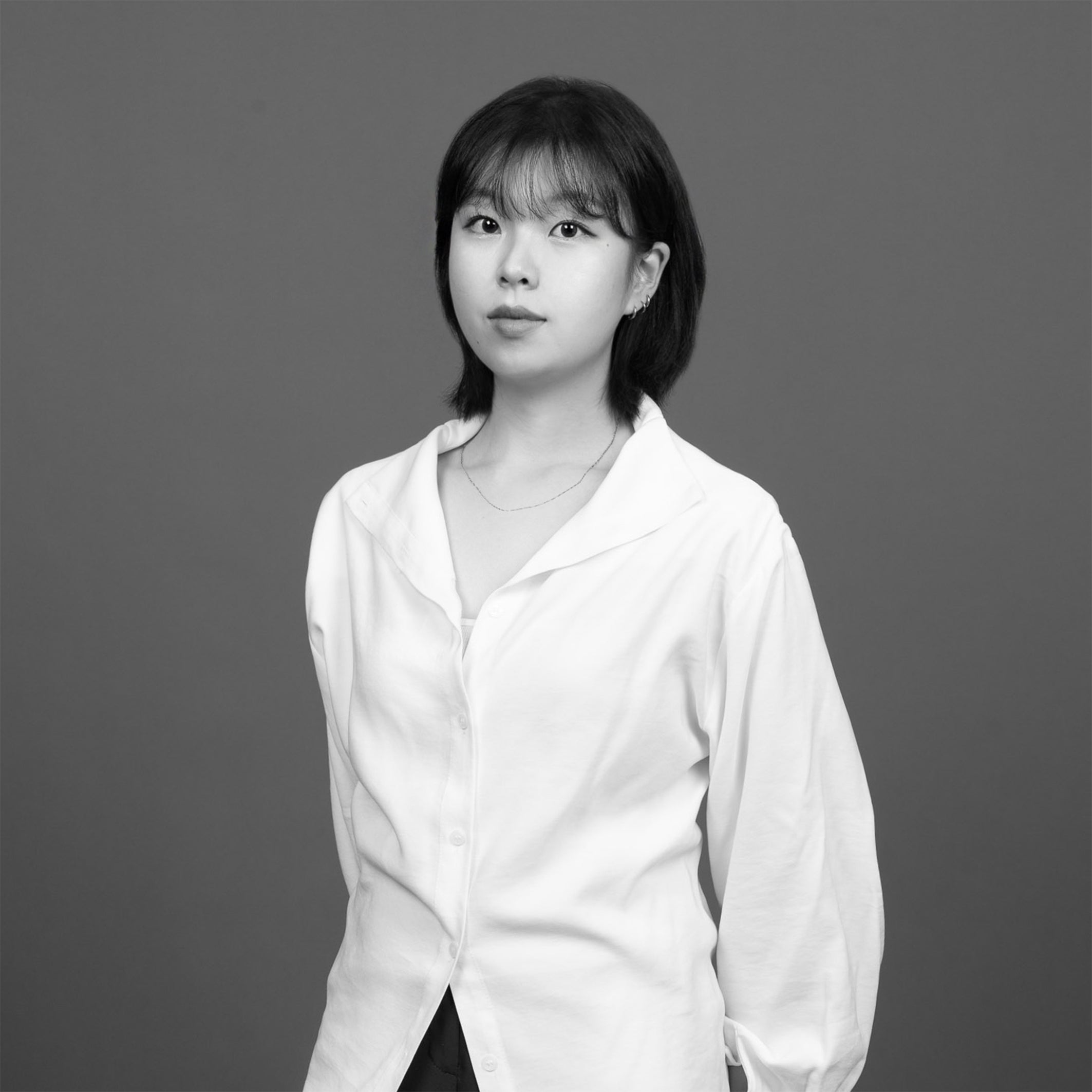
Hyobeen Bang builds her work around one of the simplest forms: the circle.
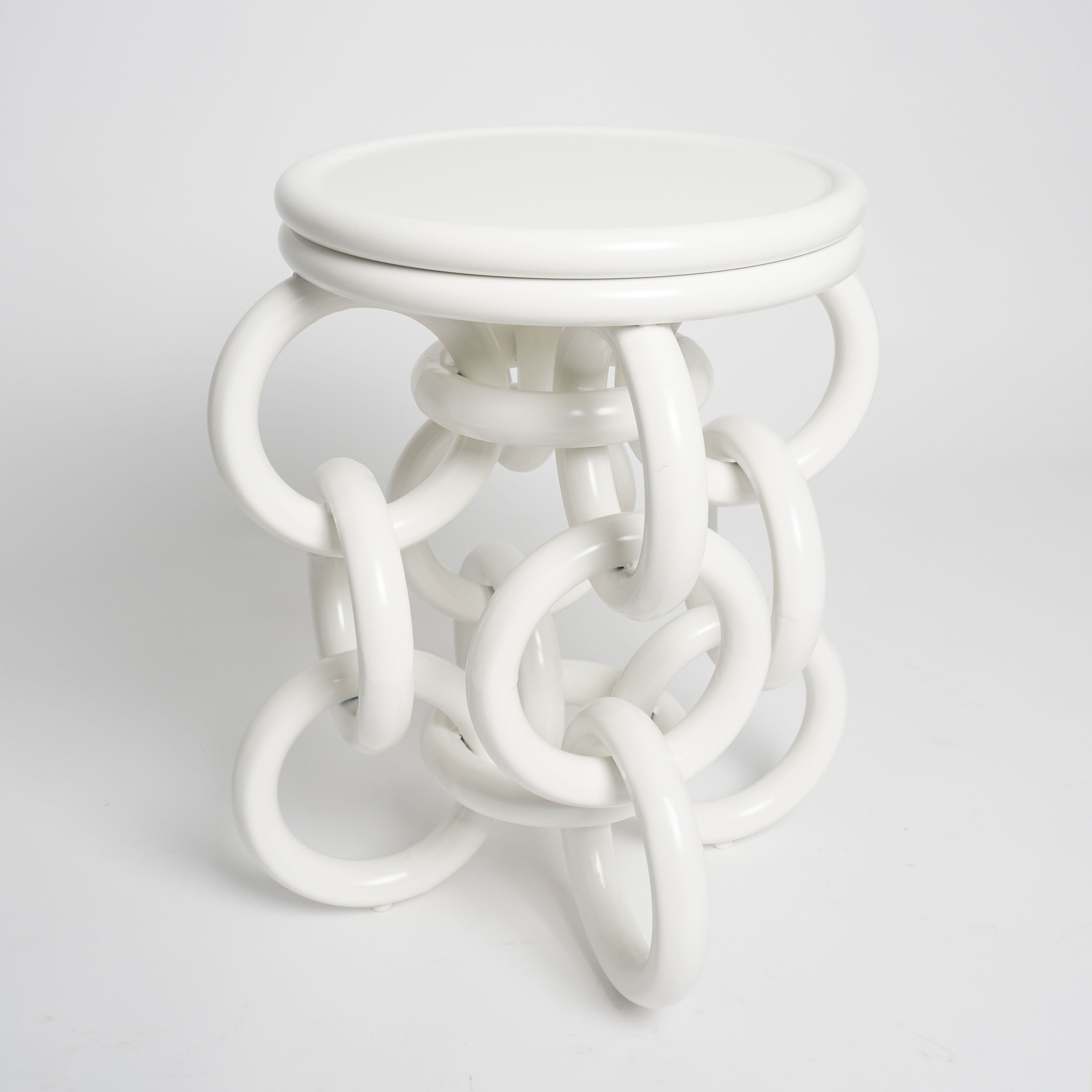
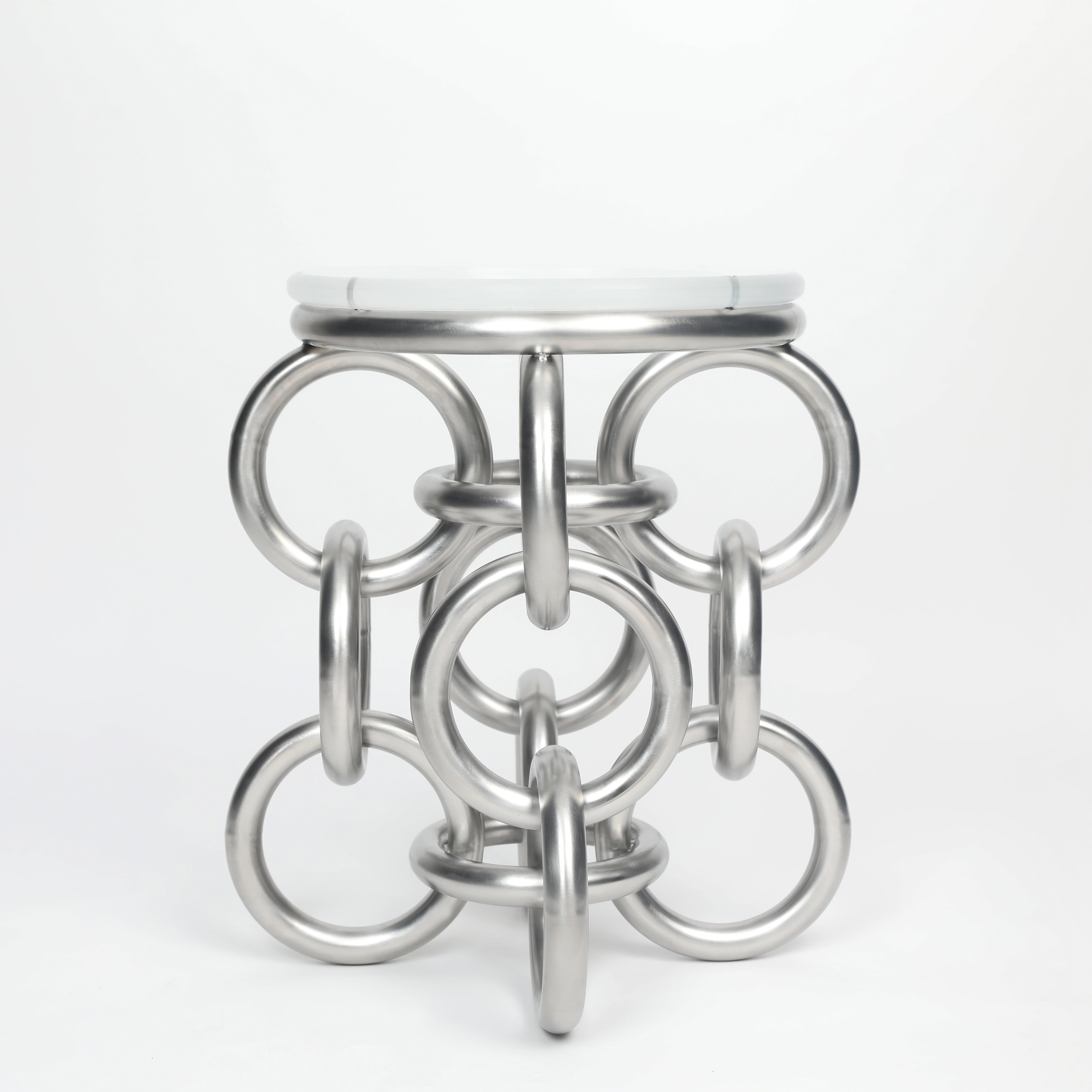
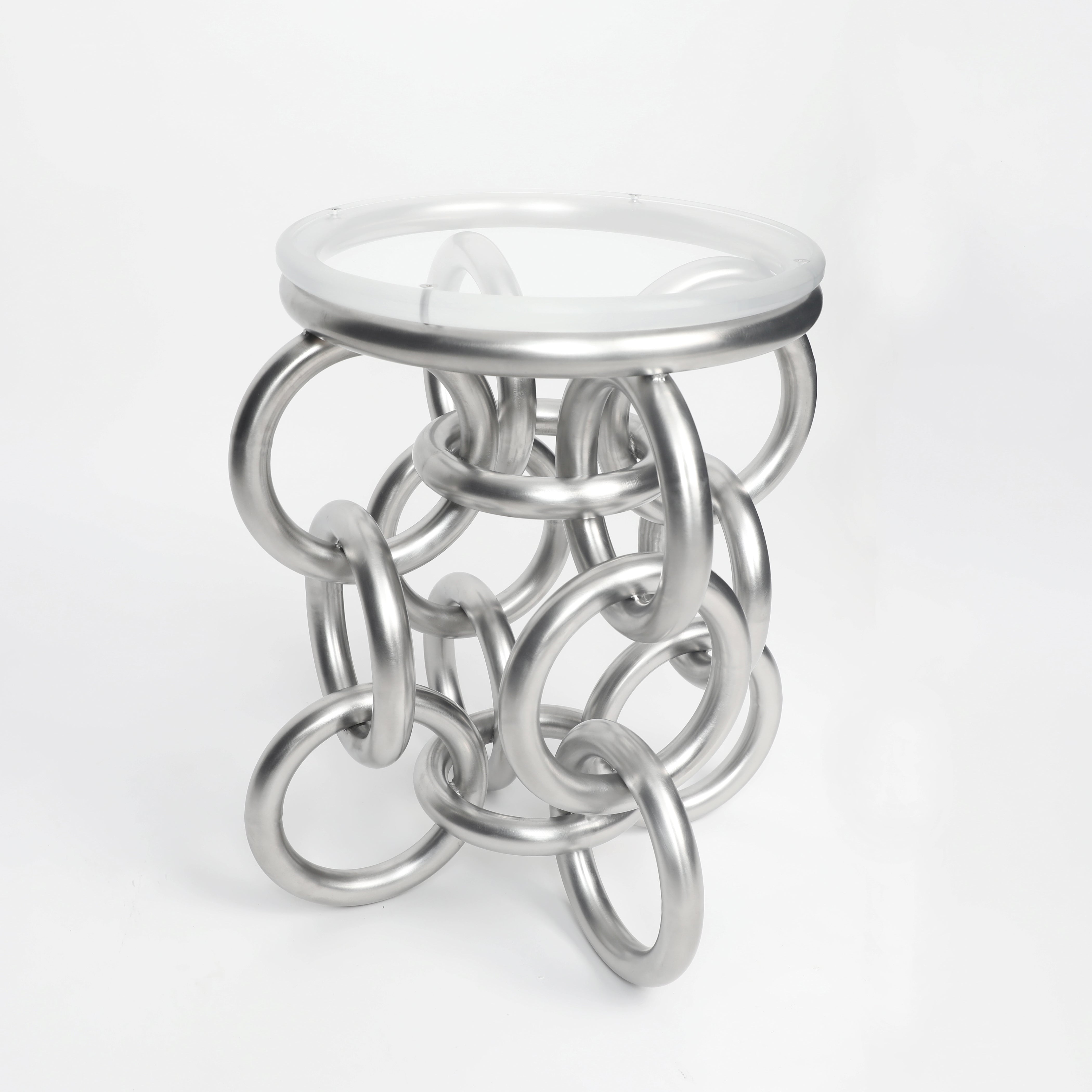
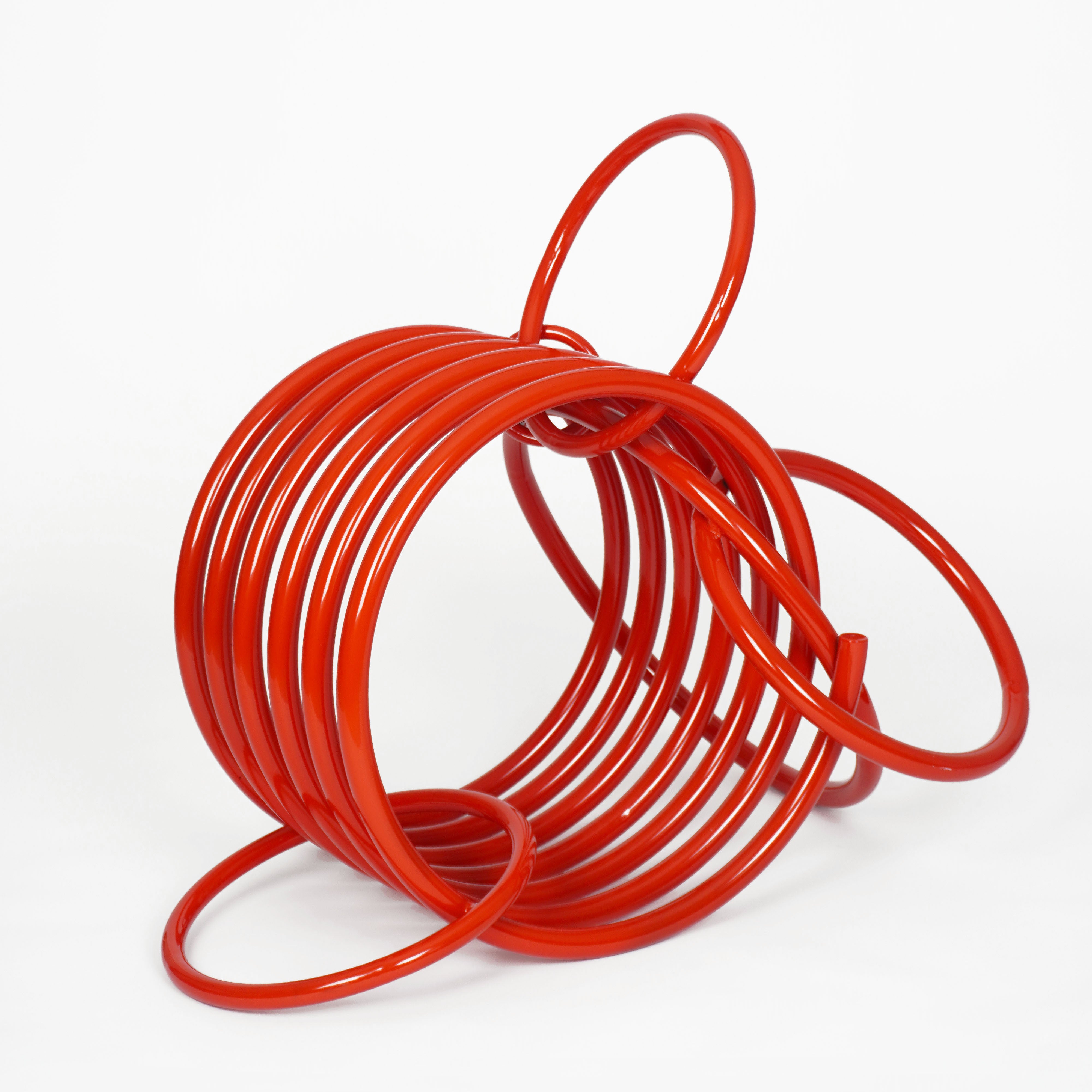
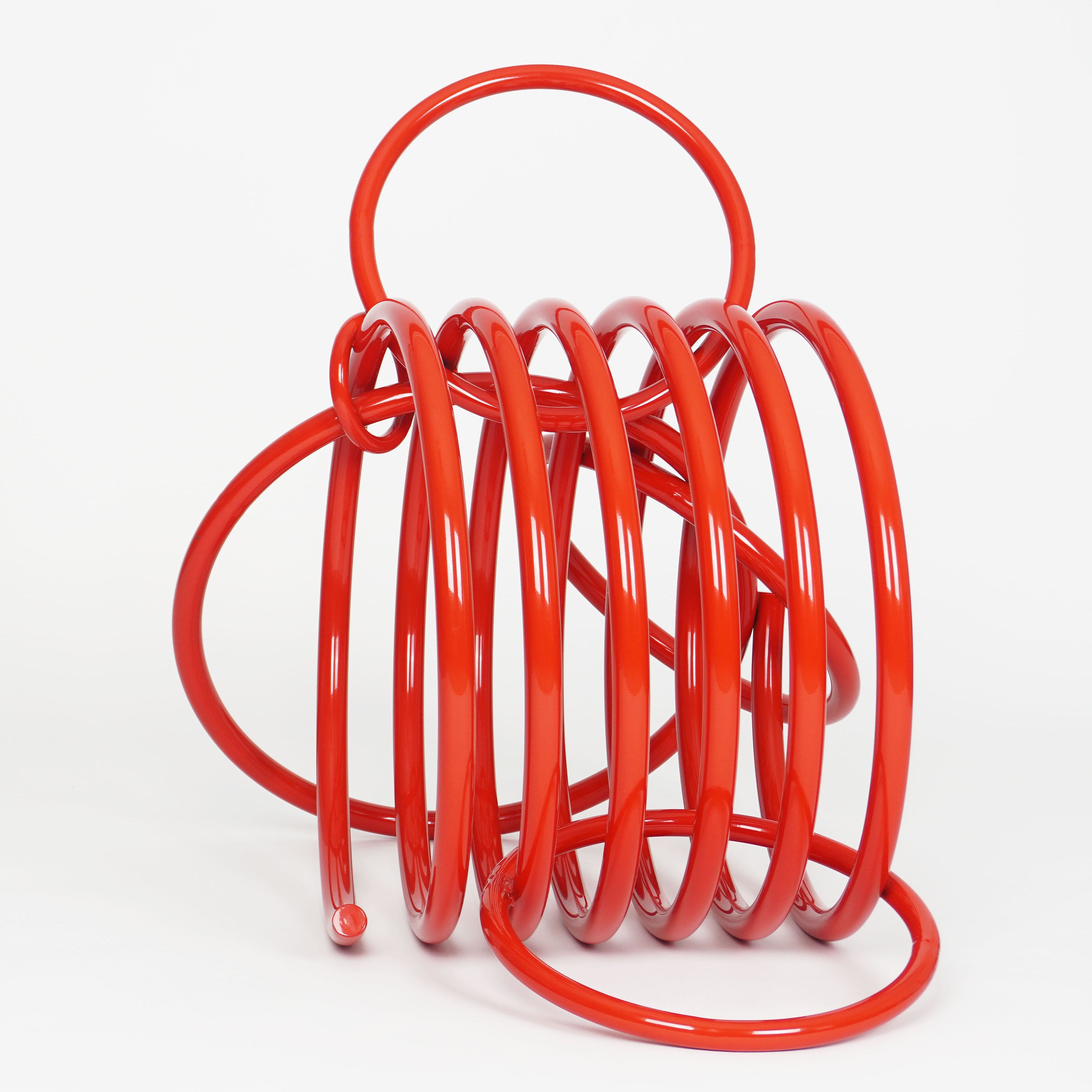
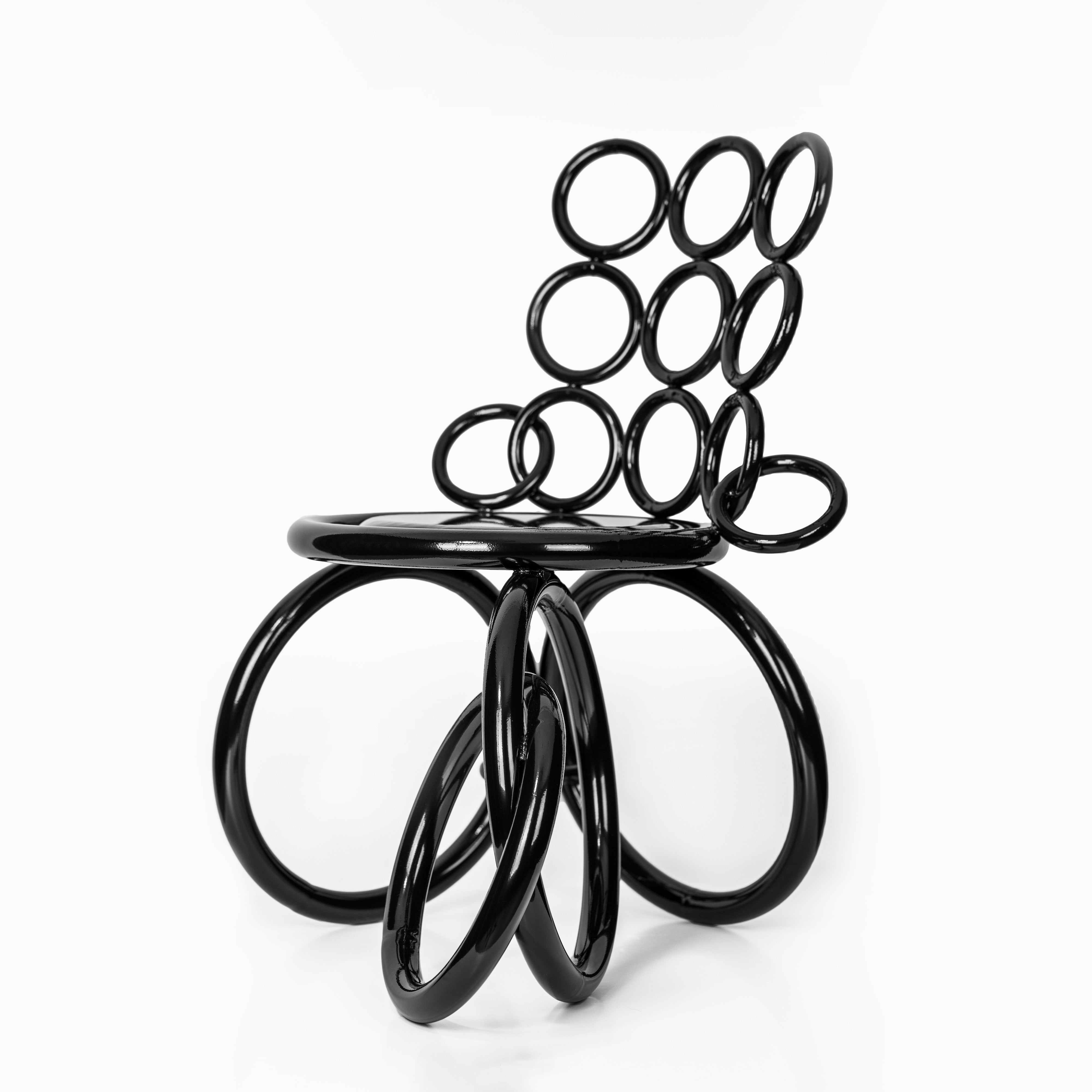
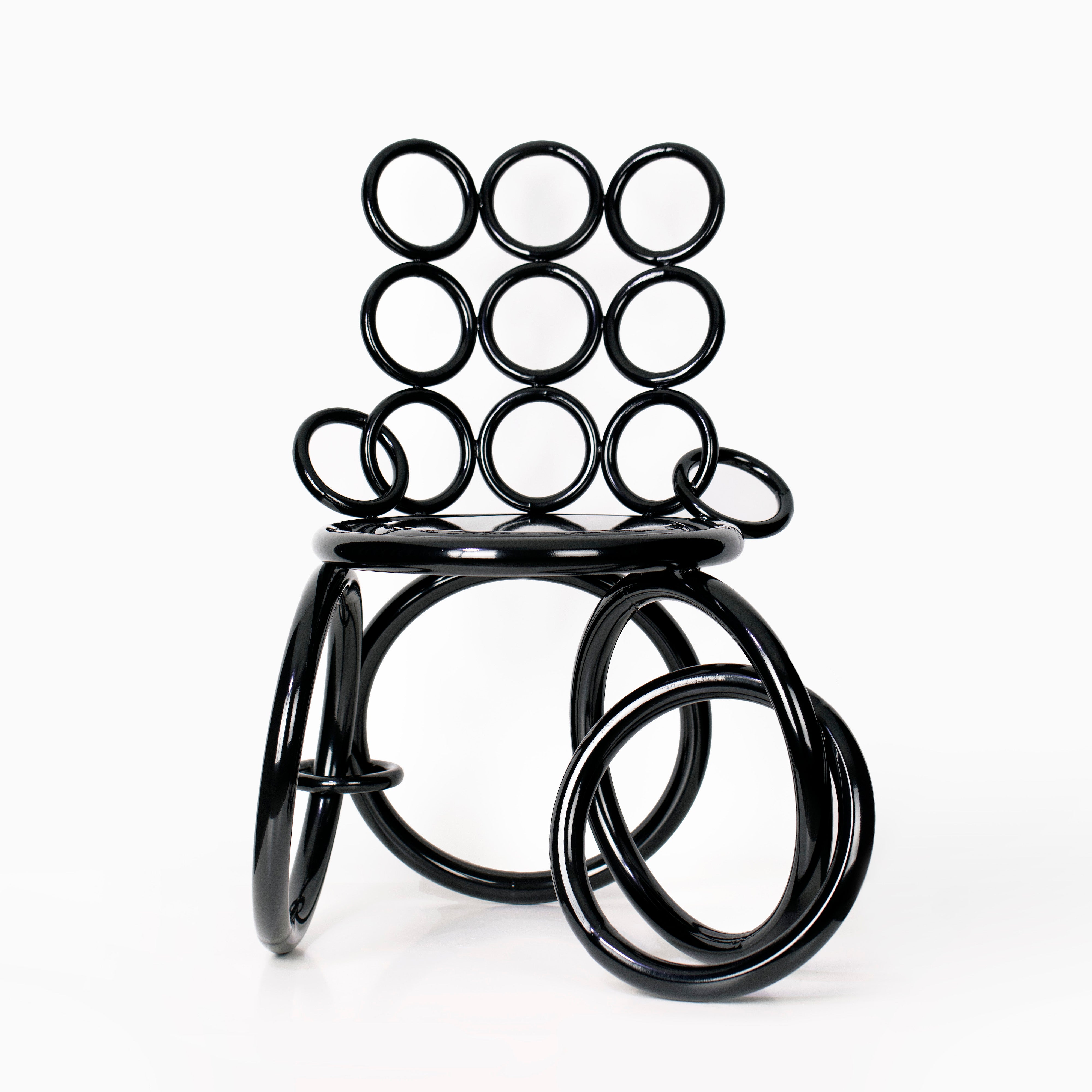
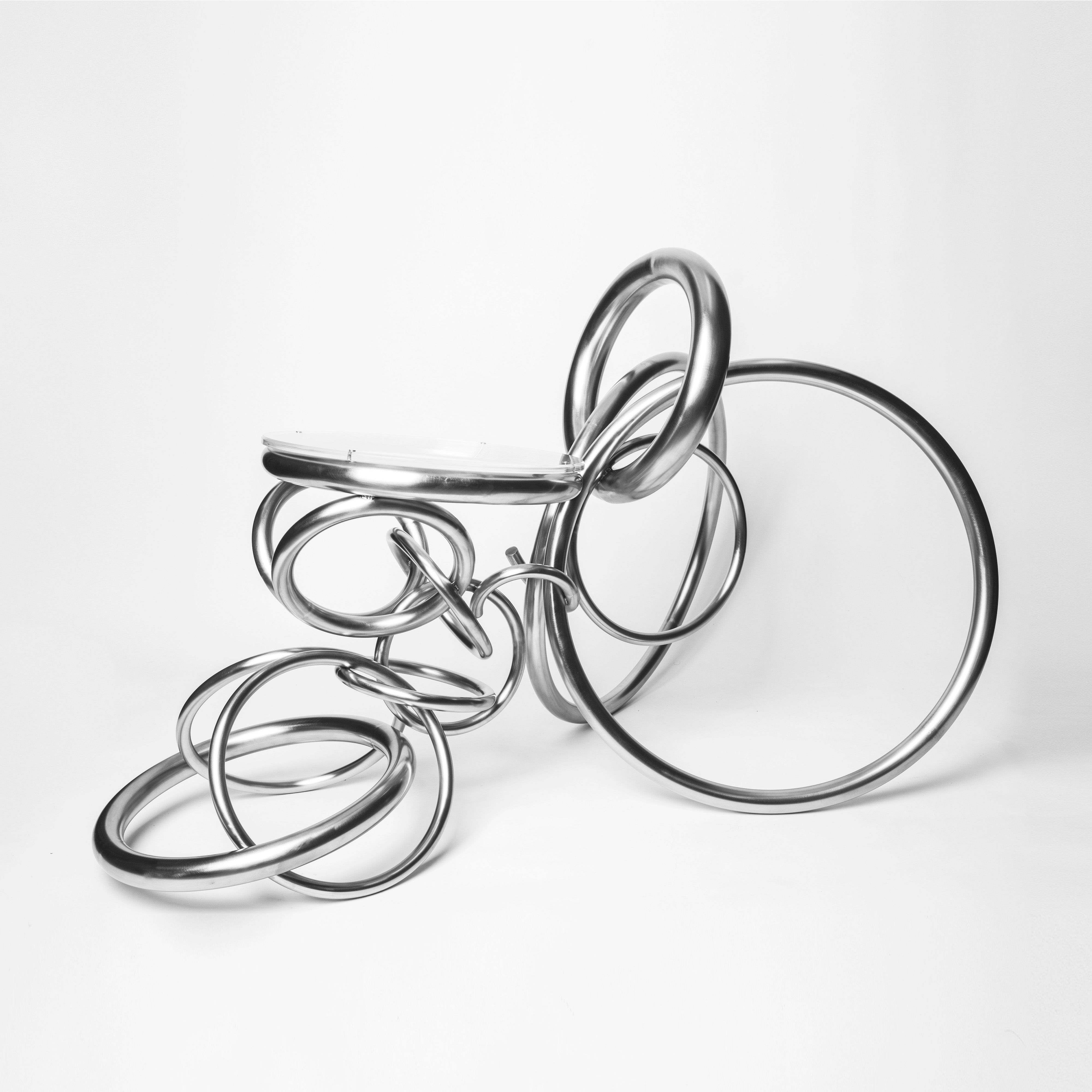
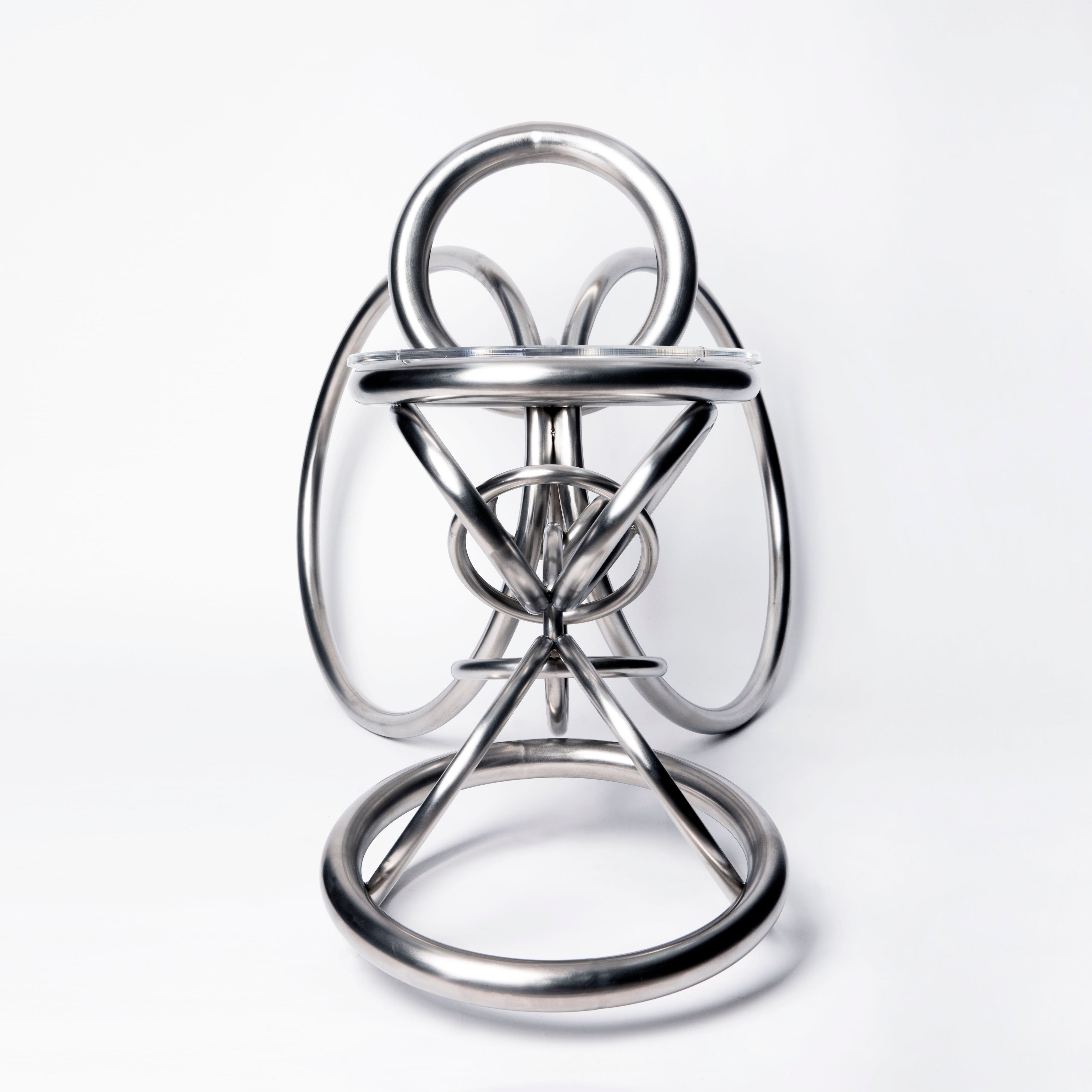
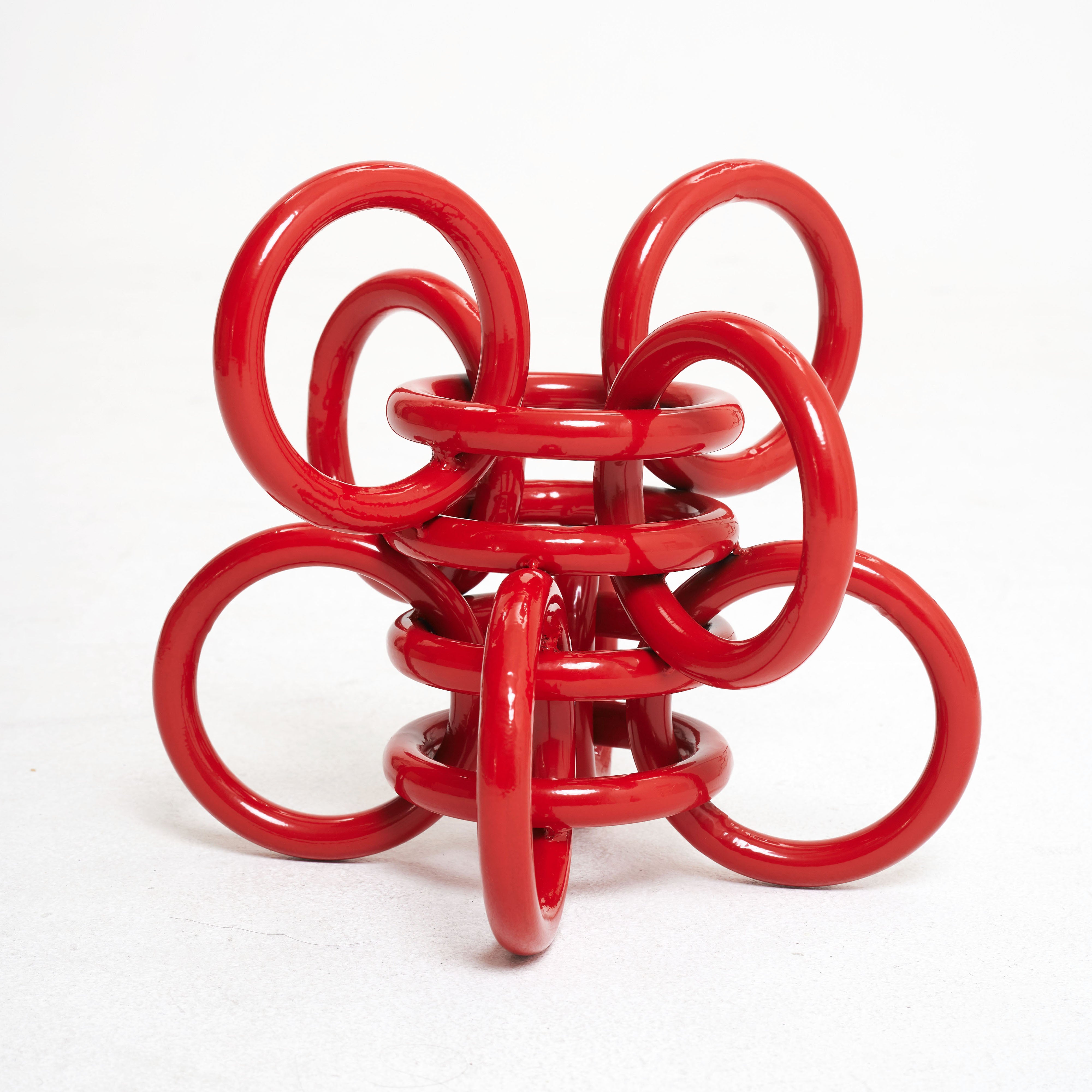
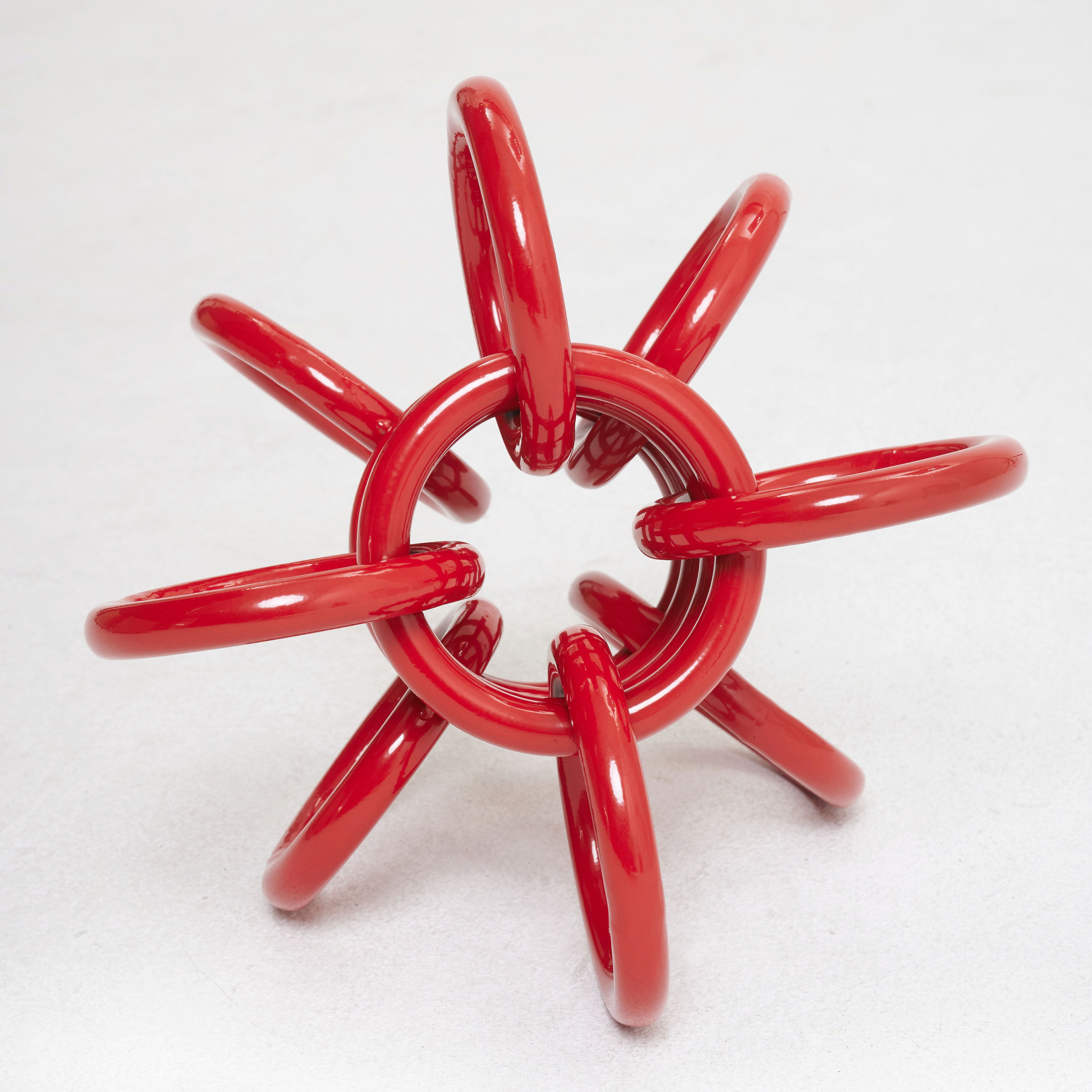
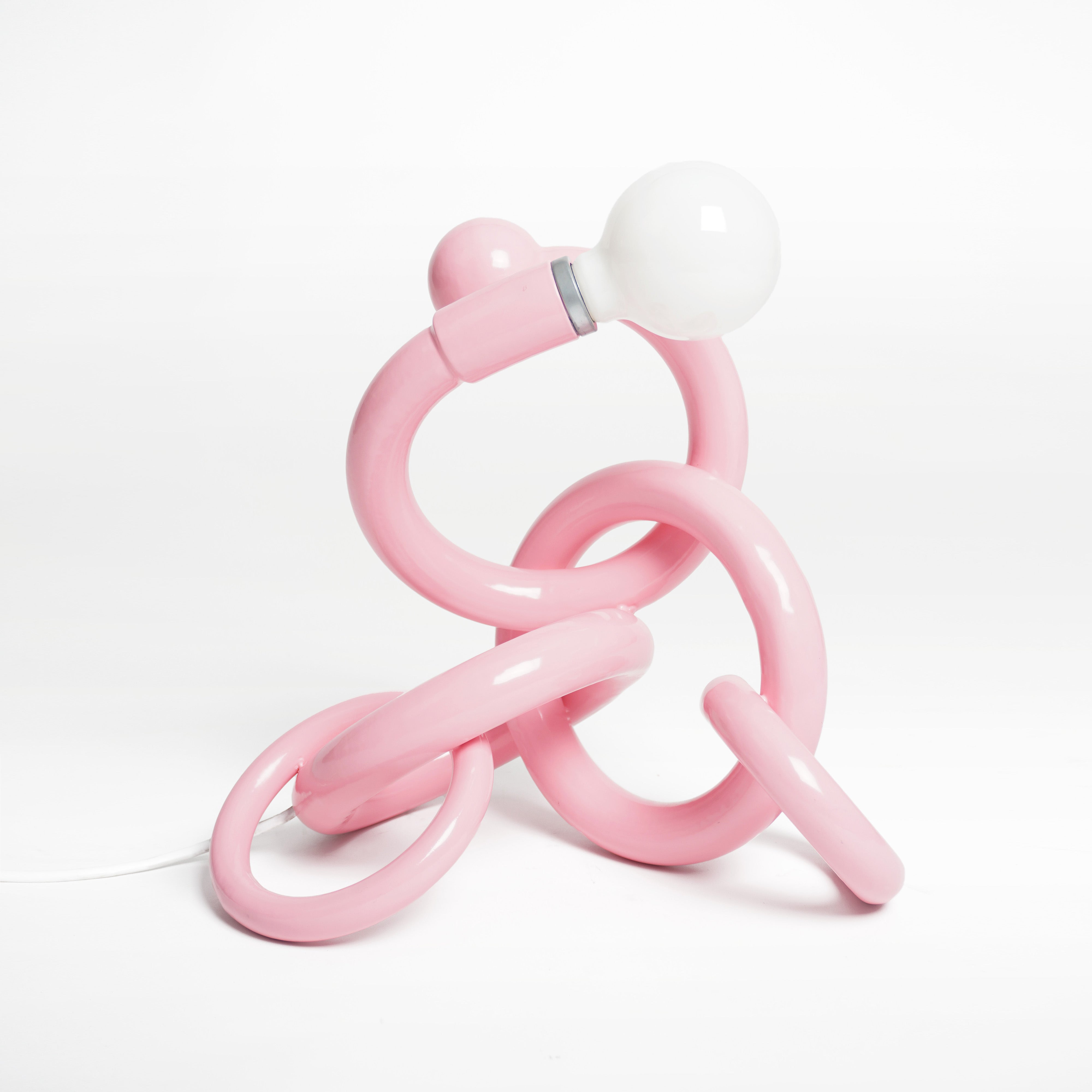
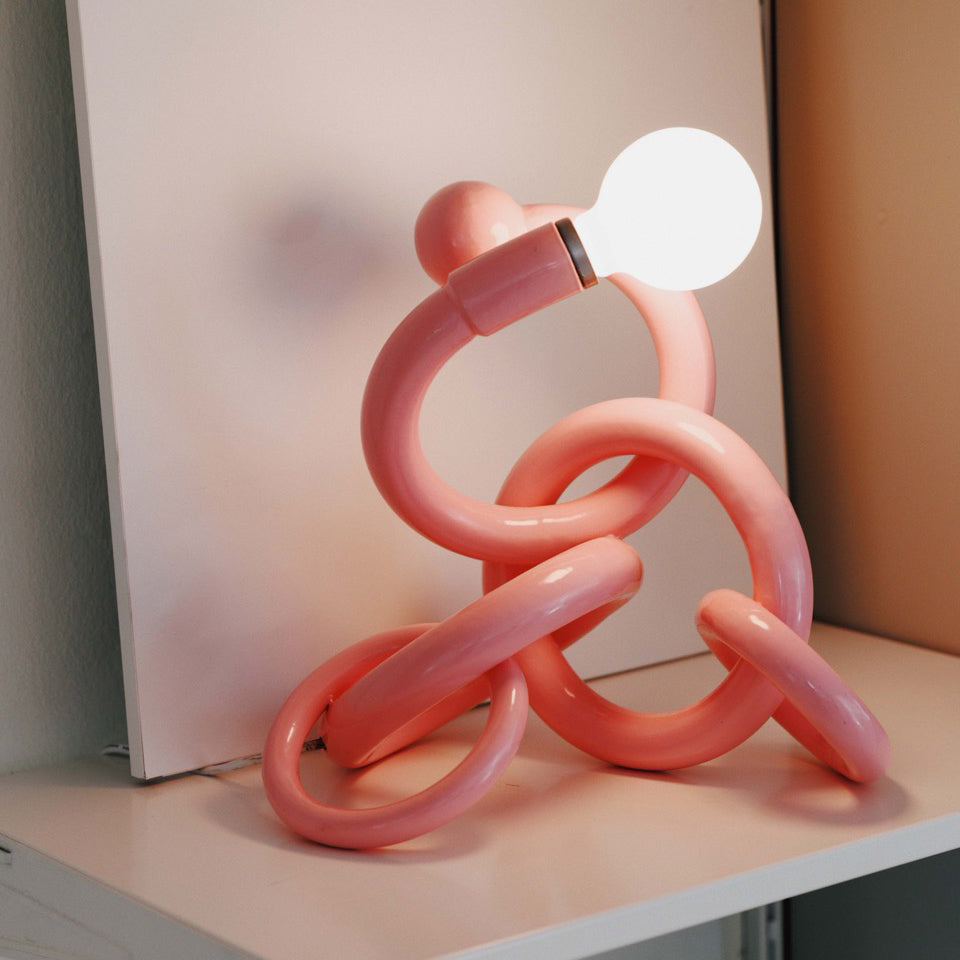
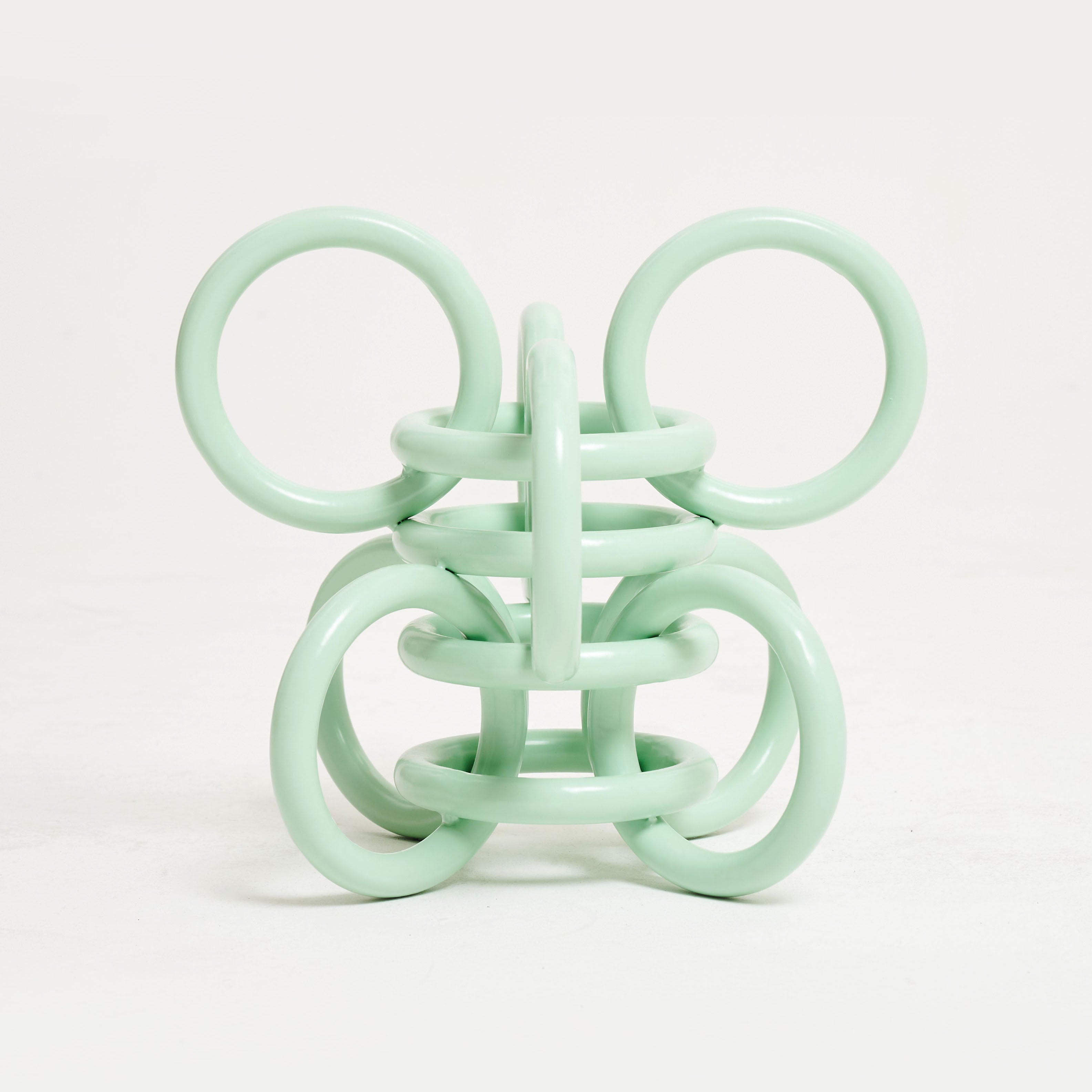
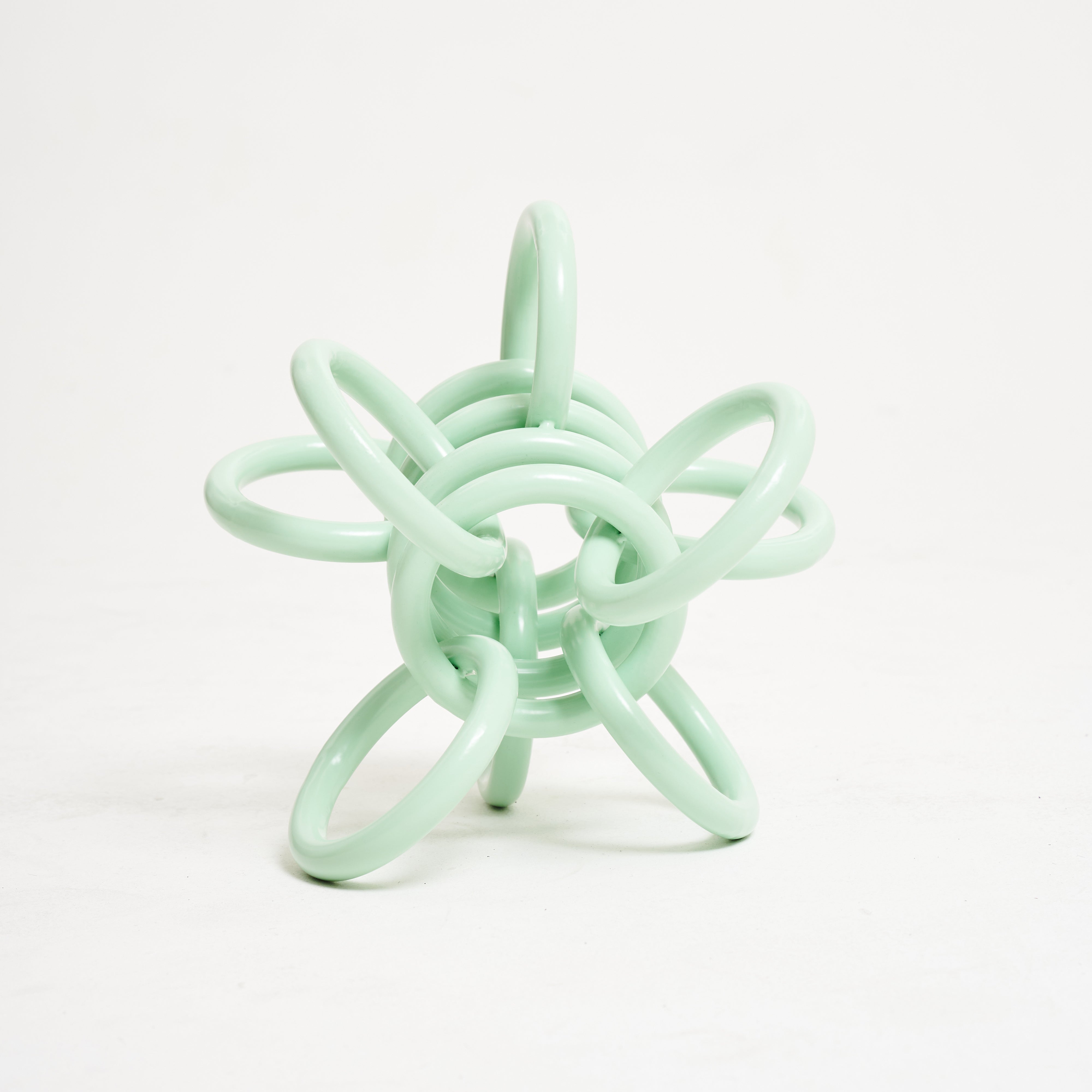
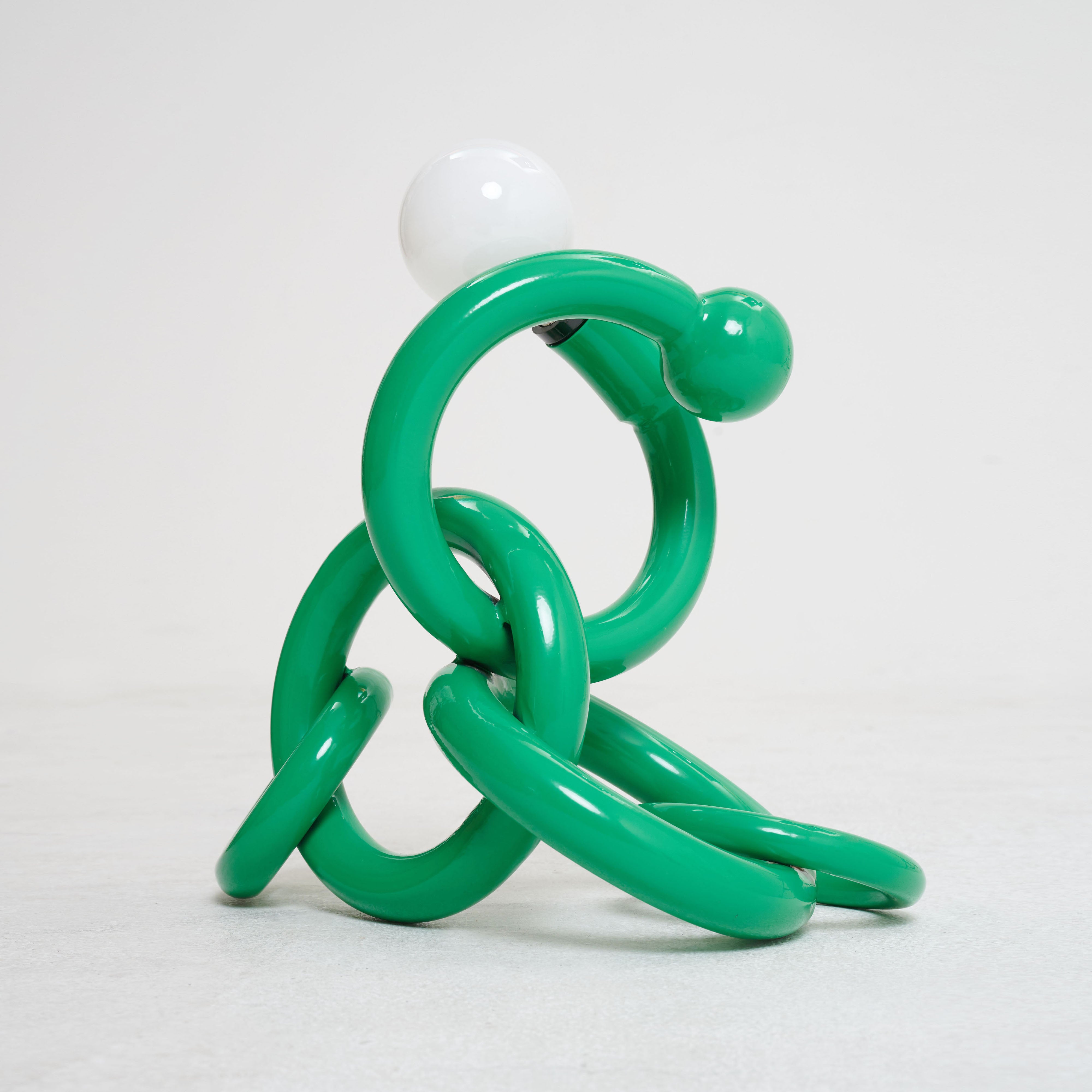
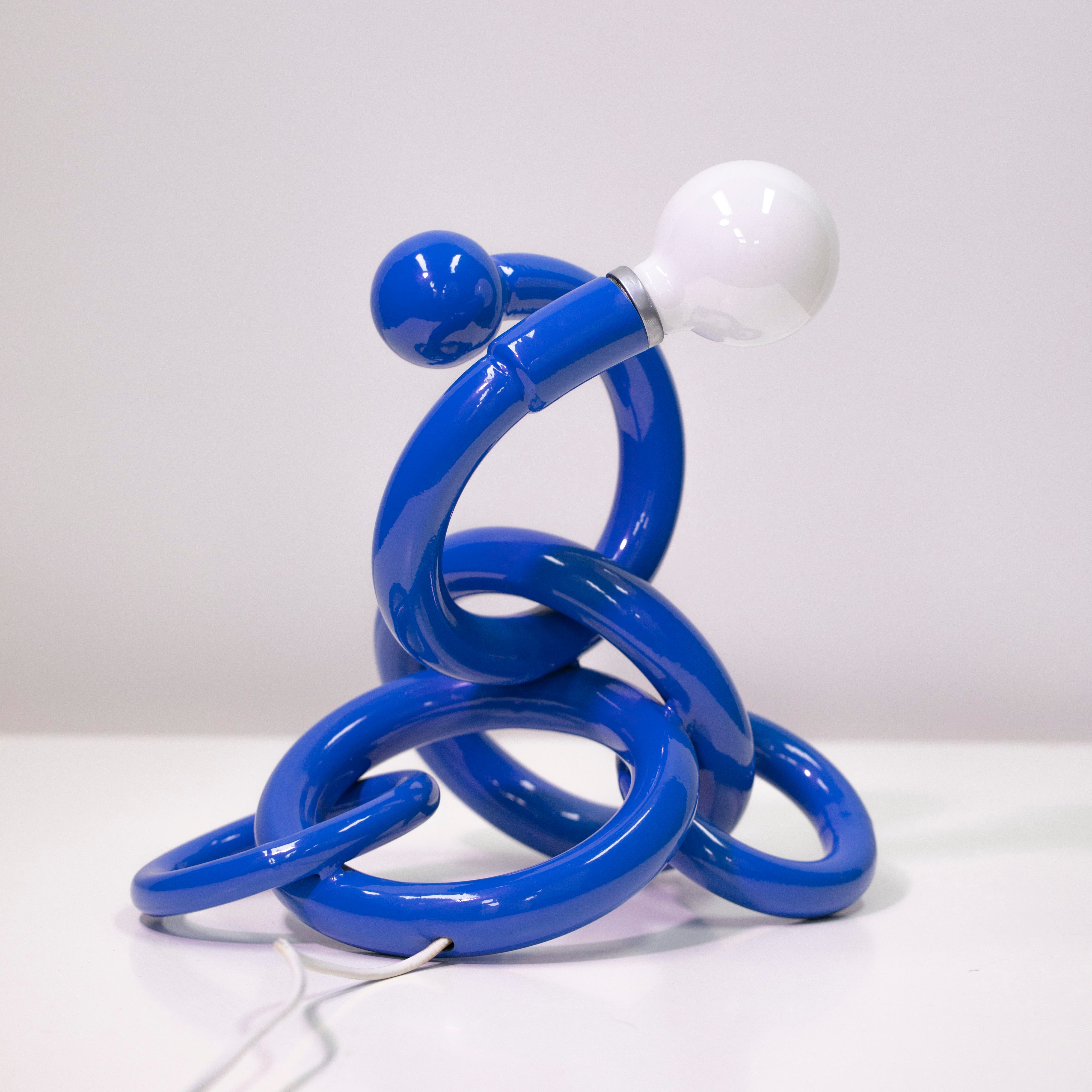
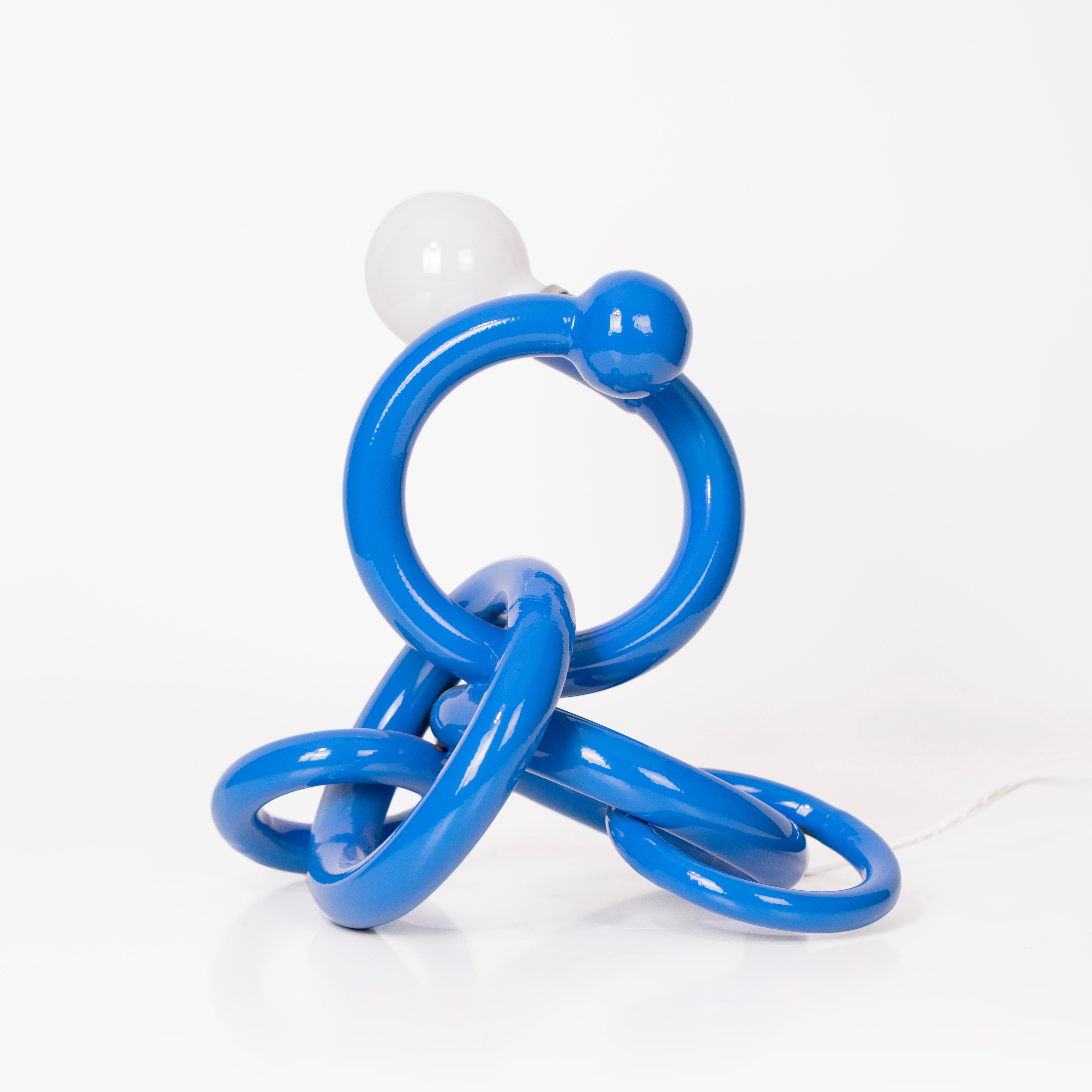
Her O-ring Series began with a small component commonly used in metal craft to connect one element to another. Fascinated by its potential for endless expansion, Bang enlarged the O-ring from something that could fit in the palm of a hand to a form large enough to engage the entire body. By joining rings of different sizes and proportions, she transforms a simple connector into the structure itself—creating chairs, stools, lighting, and sculptural installations.
For Bang, connection is both a method of construction and a way of thinking about relationships. Her personal motto, “둥글게 살자”—to live roundly—finds its way into her practice. Each ring remains an individual element, yet relies on the others to support the larger structure. Bang carefully considers the distance, density, and points of contact between them, searching for a balance in which each part can maintain its individuality while becoming something greater through connection.
There is also a sense of play at the heart of her work. Bang traces her fascination with interconnected structures back to childhood playgrounds, where jungle gyms became places for movement, chance encounters, and forming new friendships. As her O-rings grew larger, she began to imagine not that the rings had become enormous, but that her own body had become small enough to move among them. In this shift of scale, fabrication becomes a kind of play.
Behind their vivid colors and playful forms is a carefully considered structural system. Working primarily with steel, Bang studies how weight travels through each point of connection and how the empty spaces between the rings become part of the composition. Her works retain their function as furniture while existing as sculptural forms, allowing the body itself to enter into and complete the work.
What began with a small metal ring continues to expand—from furniture and lighting to large-scale installations that connect body, object, and space. Yet the idea at the center of Bang’s practice remains simple: one circle meets another, and through that connection, a new form becomes possible.
[C.V.]
Hyobeen Bang builds her work around one of the simplest forms: the circle.
Her O-ring Series began with a small component commonly used in metal craft to connect one element to another. Fascinated by its potential for endless expansion, Bang enlarged the O-ring from something that could fit in the palm of a hand to a form large enough to engage the entire body. By joining rings of different sizes and proportions, she transforms a simple connector into the structure itself—creating chairs, stools, lighting, and sculptural installations.
For Bang, connection is both a method of construction and a way of thinking about relationships. Her personal motto, “둥글게 살자”—to live roundly—finds its way into her practice. Each ring remains an individual element, yet relies on the others to support the larger structure. Bang carefully considers the distance, density, and points of contact between them, searching for a balance in which each part can maintain its individuality while becoming something greater through connection.
There is also a sense of play at the heart of her work. Bang traces her fascination with interconnected structures back to childhood playgrounds, where jungle gyms became places for movement, chance encounters, and forming new friendships. As her O-rings grew larger, she began to imagine not that the rings had become enormous, but that her own body had become small enough to move among them. In this shift of scale, fabrication becomes a kind of play.
Behind their vivid colors and playful forms is a carefully considered structural system. Working primarily with steel, Bang studies how weight travels through each point of connection and how the empty spaces between the rings become part of the composition. Her works retain their function as furniture while existing as sculptural forms, allowing the body itself to enter into and complete the work.
What began with a small metal ring continues to expand—from furniture and lighting to large-scale installations that connect body, object, and space. Yet the idea at the center of Bang’s practice remains simple: one circle meets another, and through that connection, a new form becomes possible.
[C.V.]