

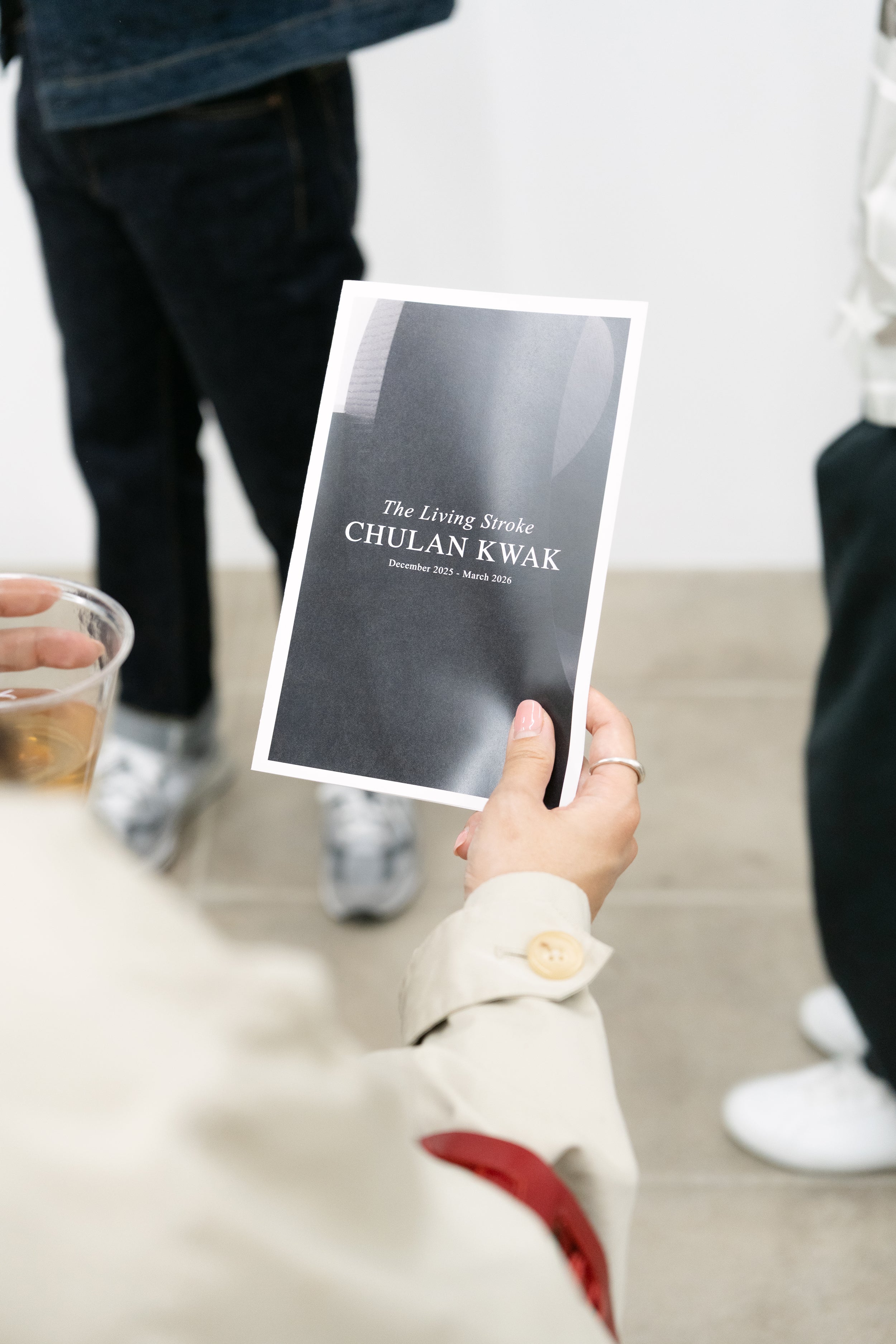
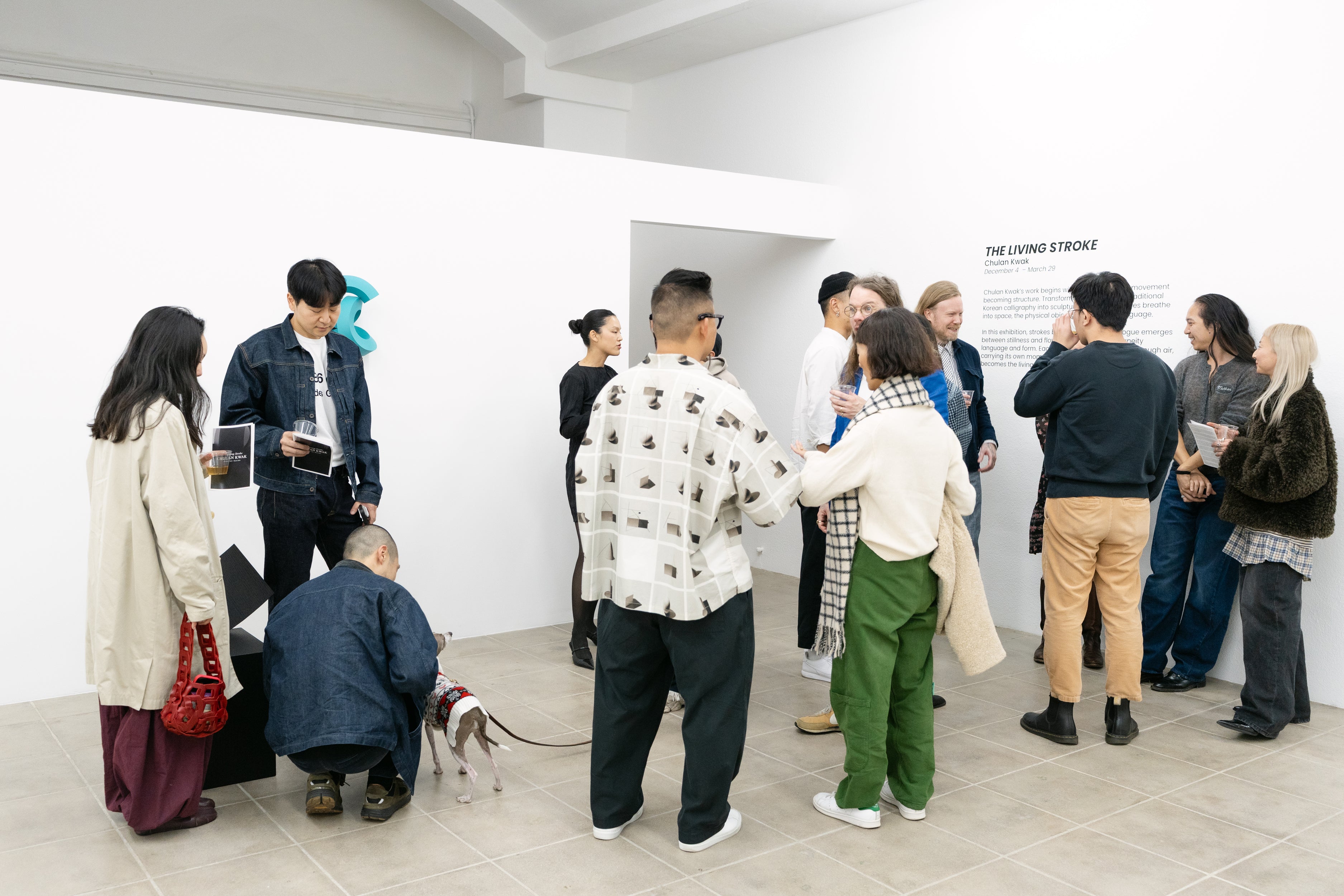
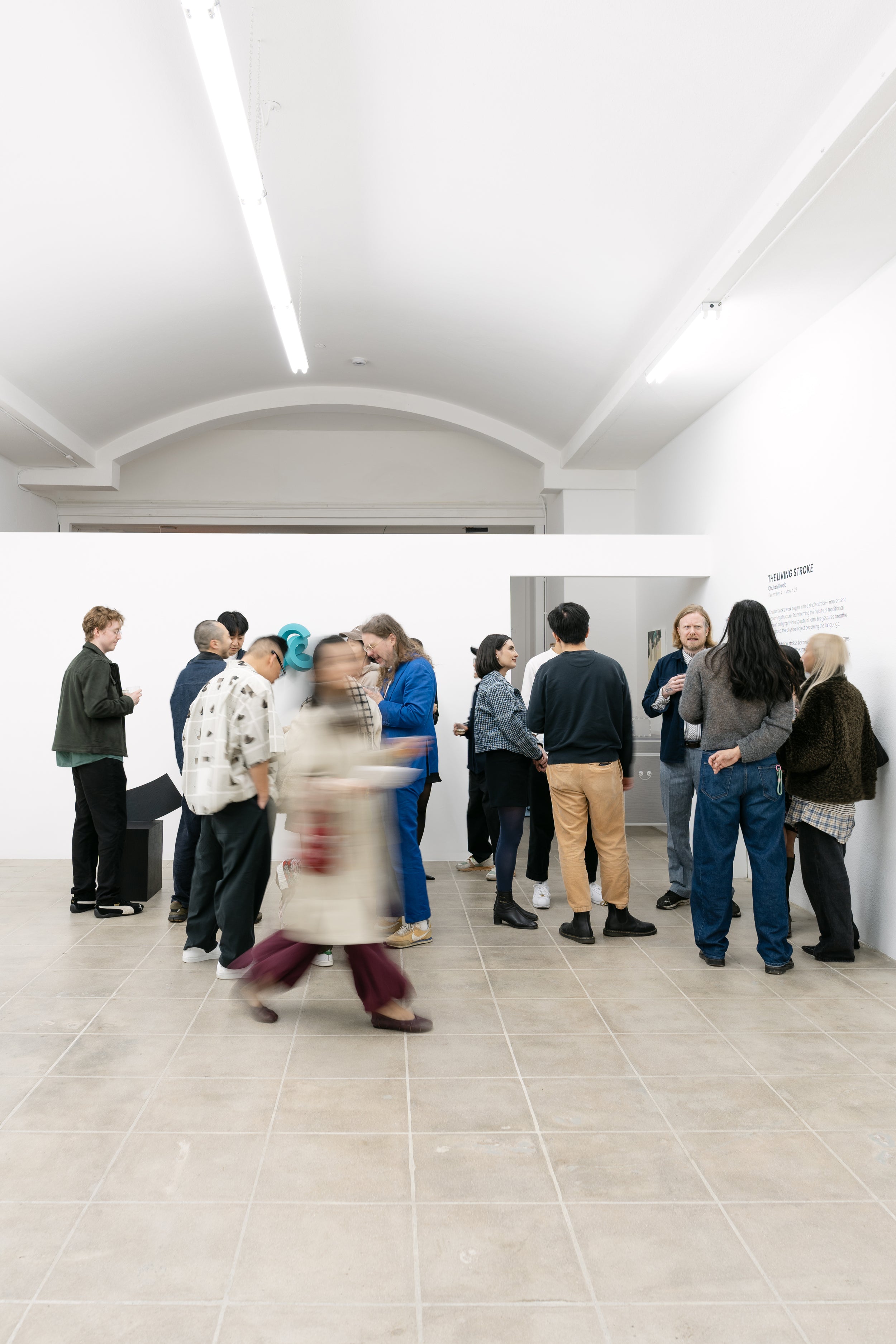
THE LIVING STROKE
Chulan Kwak
December 4, 2025 - March 29, 2026
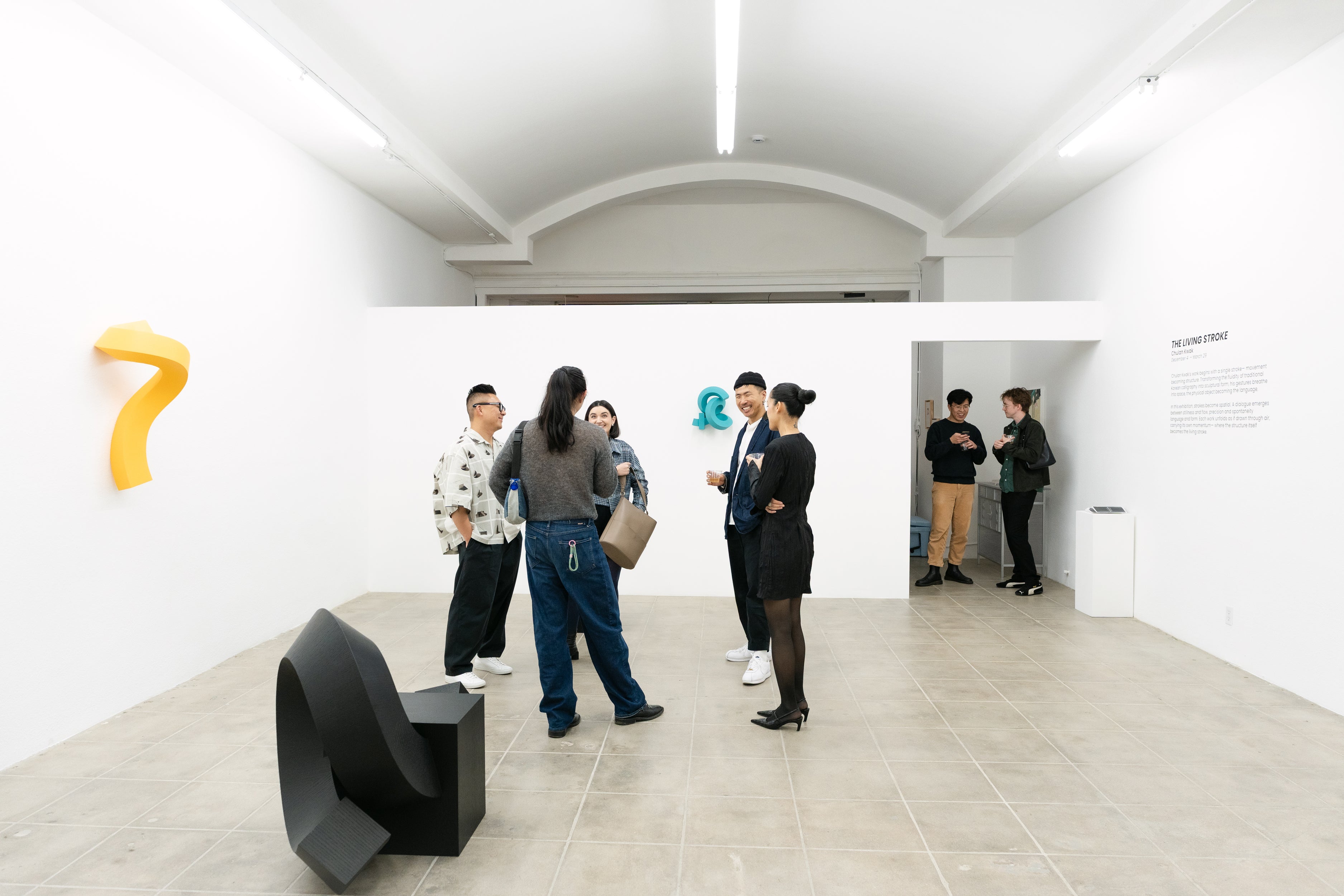
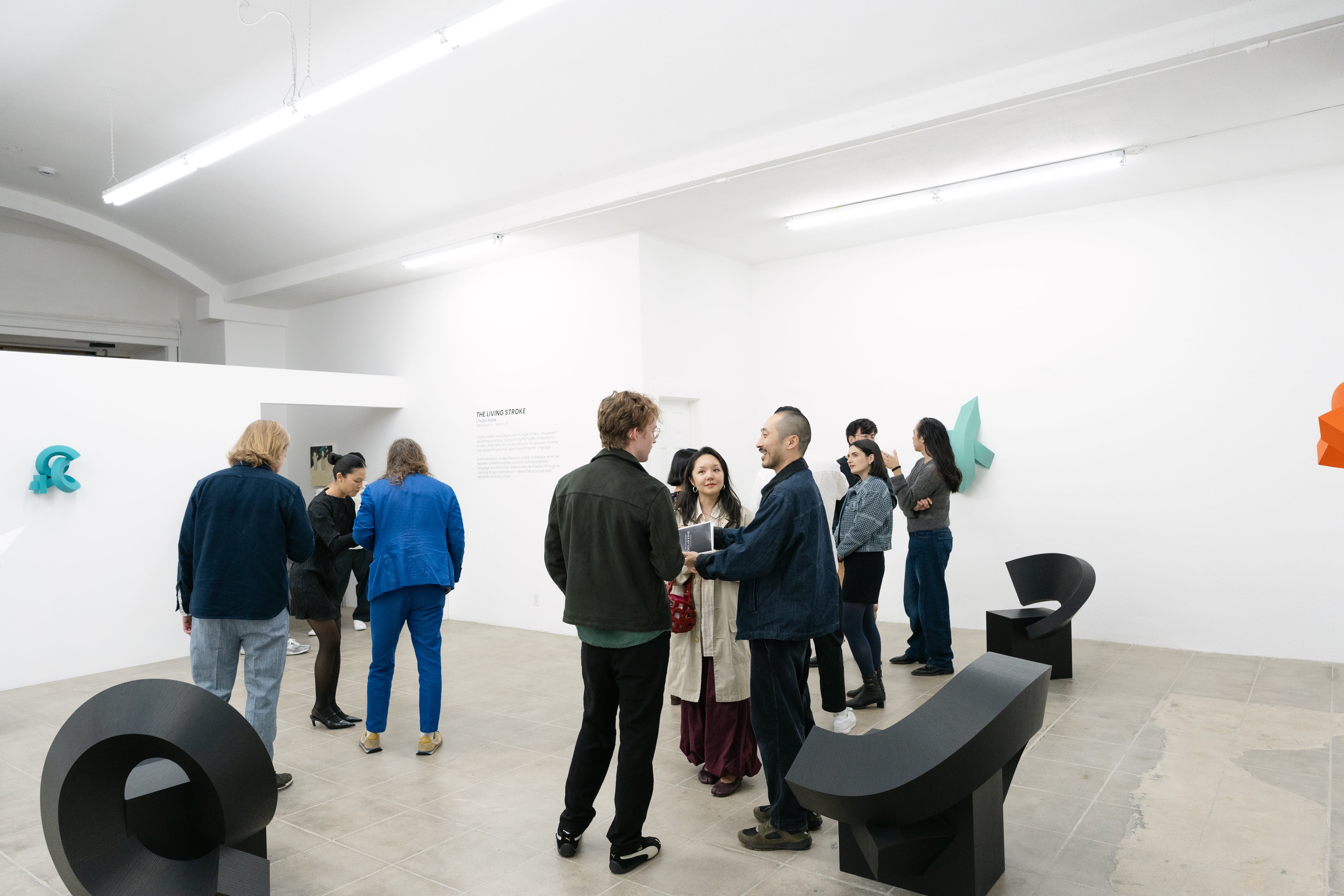
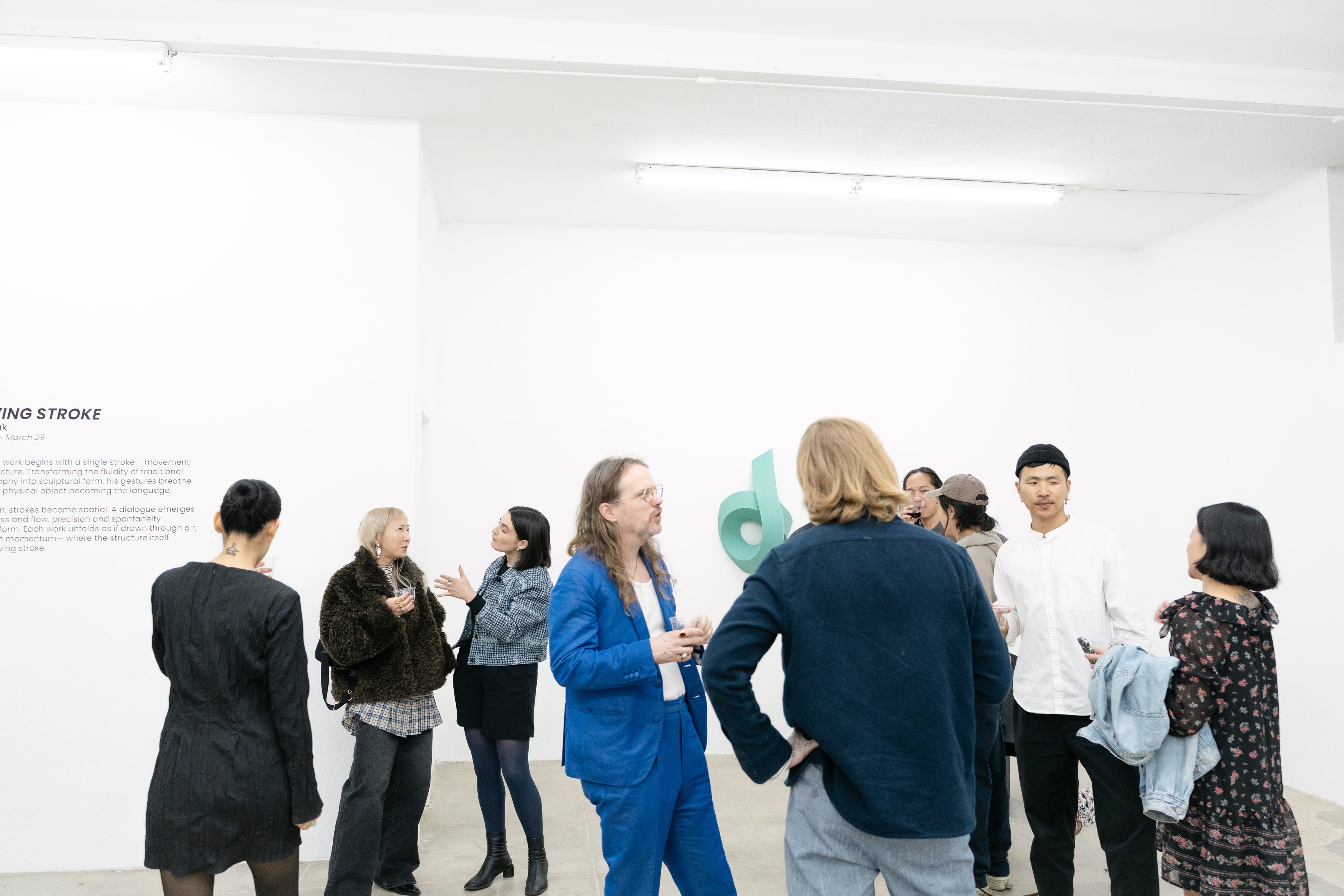
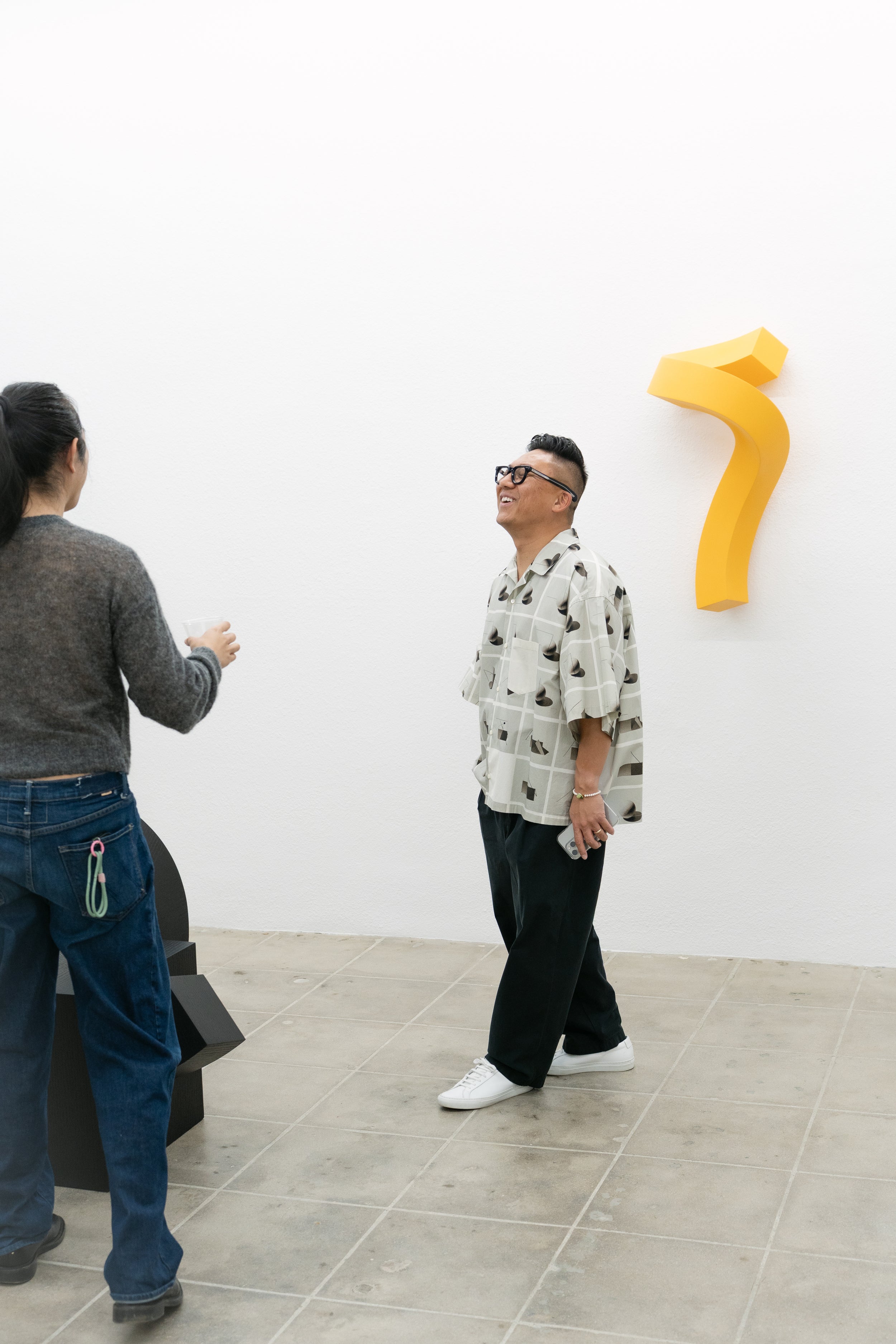
The work of Chulan Kwak comes into focus with the written stroke— gestures of calligraphy that extend beyond the page and into space.
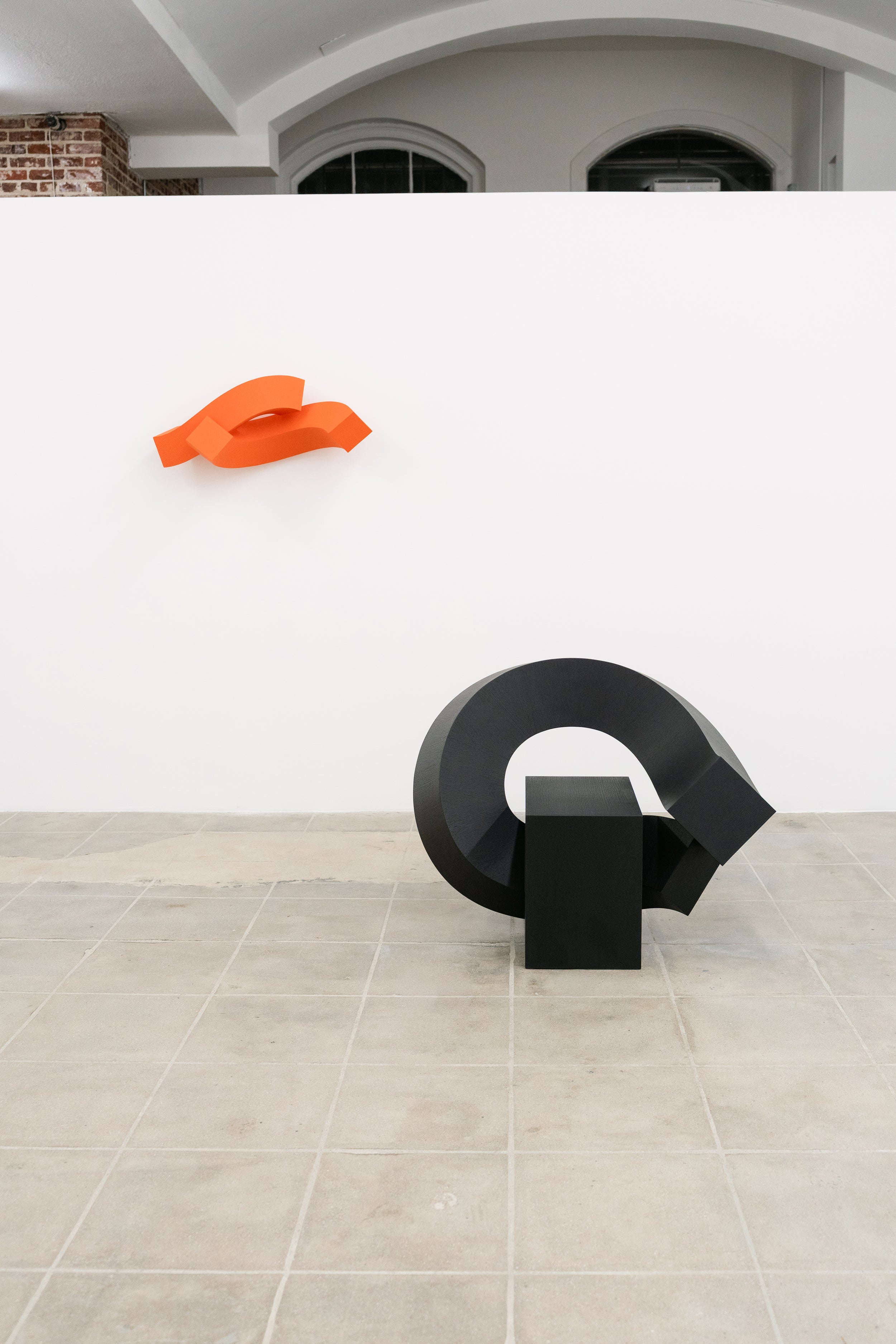
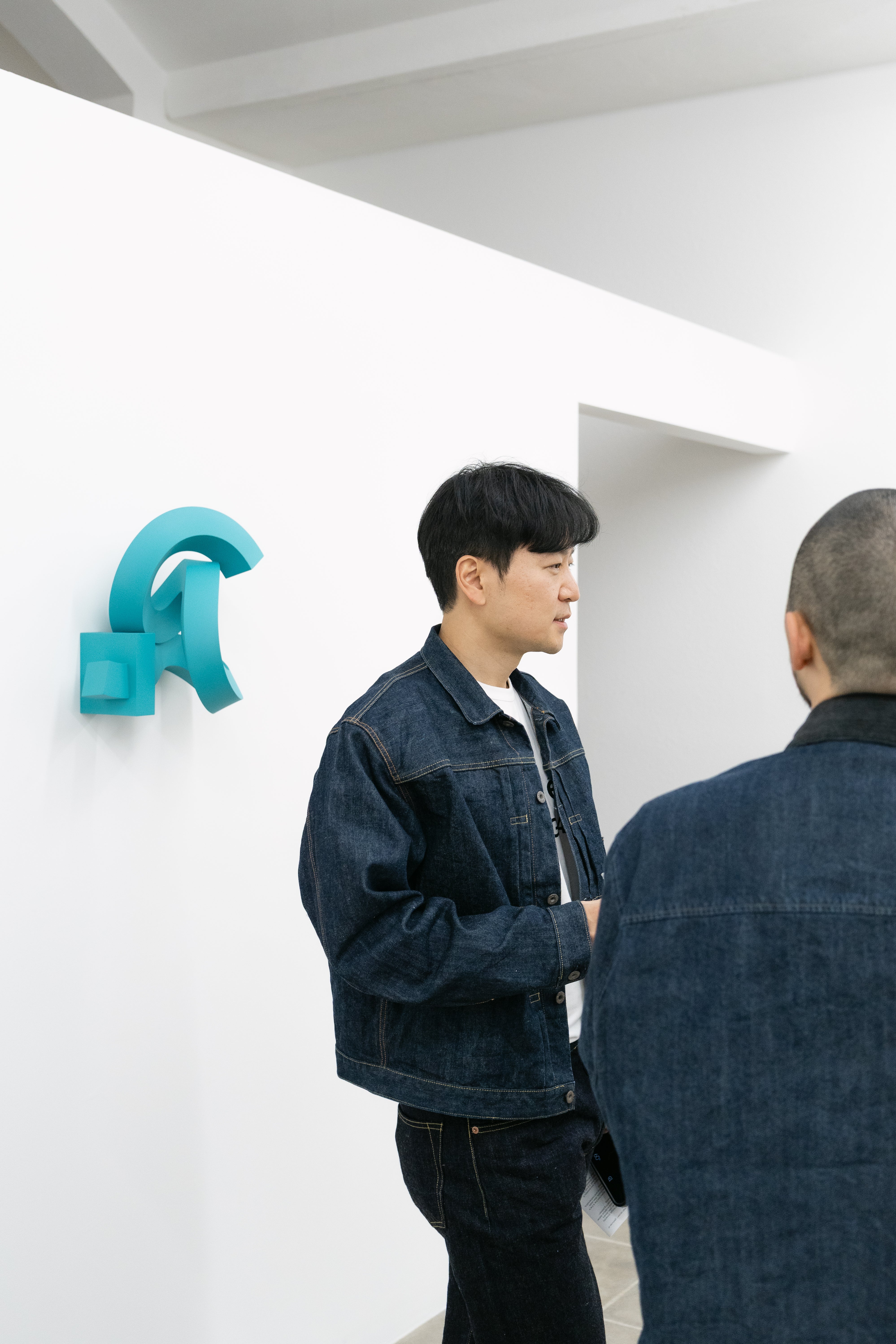
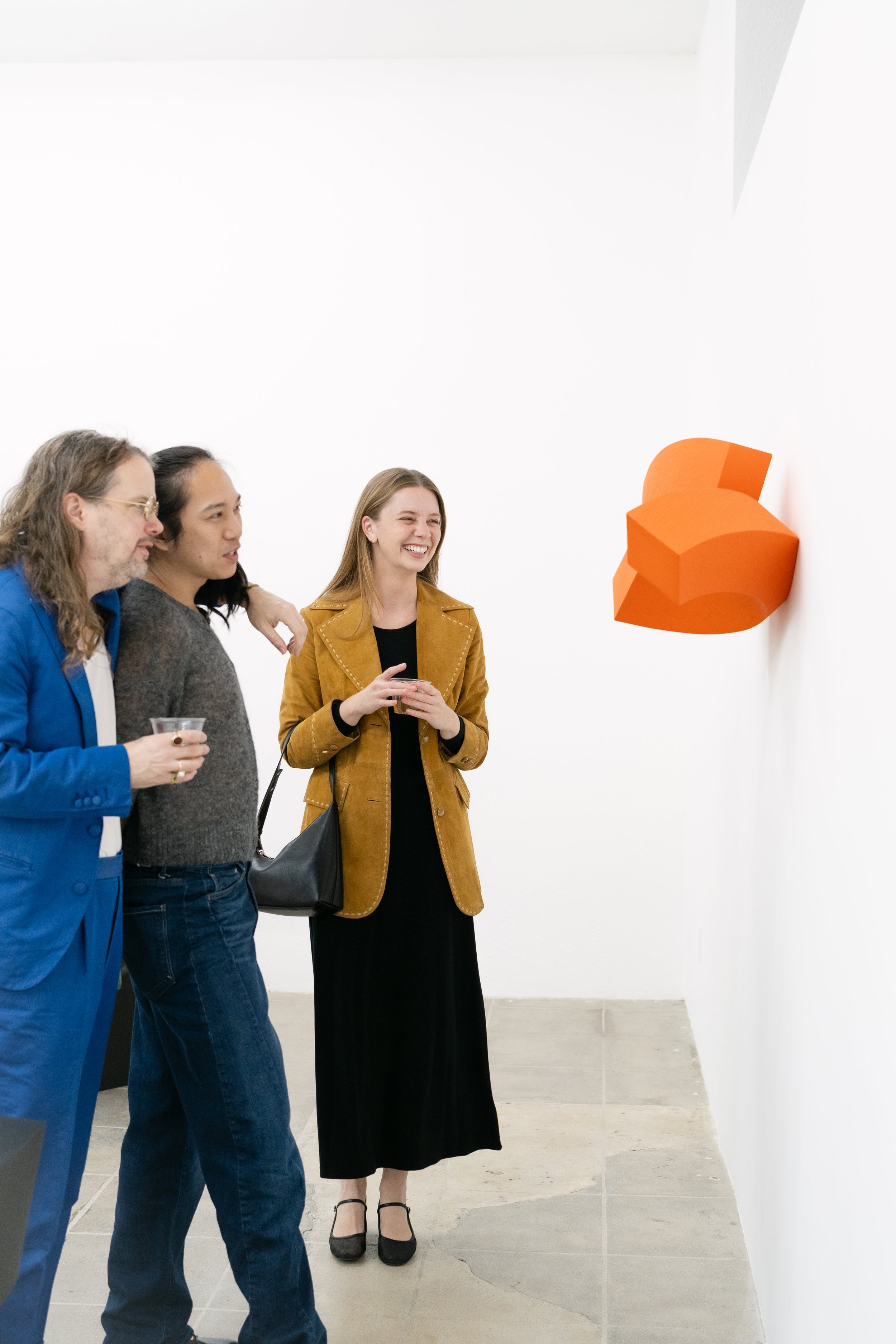
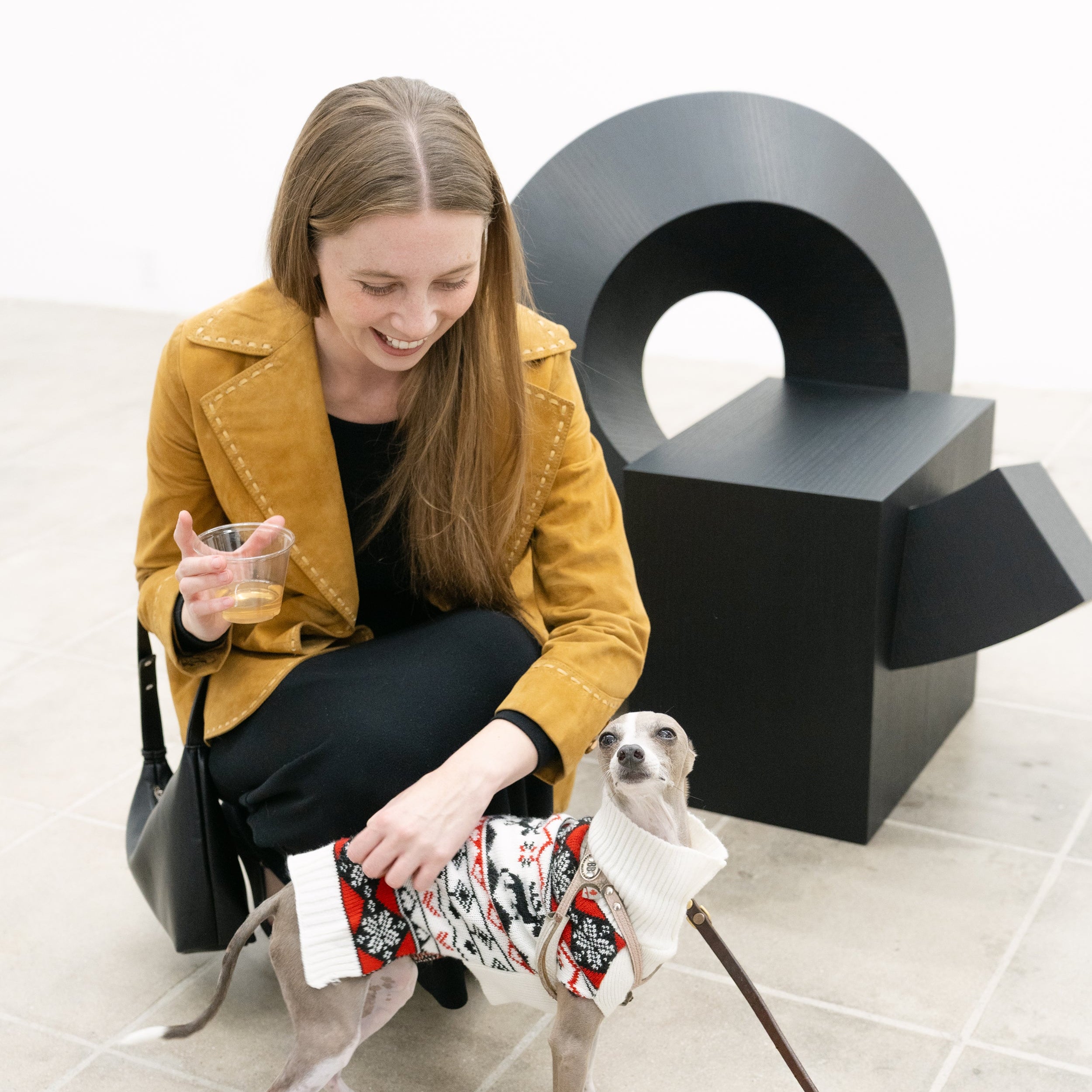
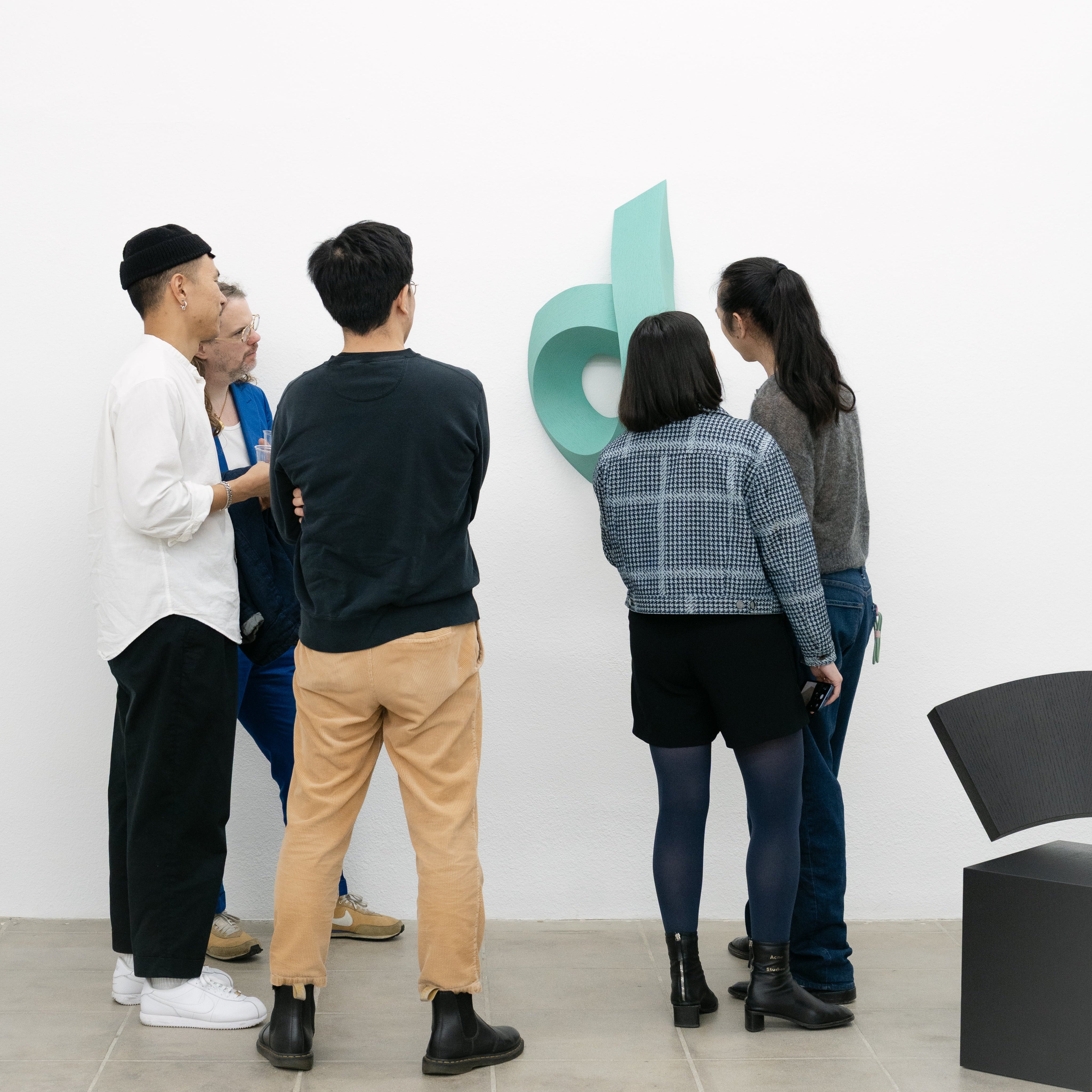
With formal training in Woodworking and Furniture Design at Hongik University (BFA) and Contextual Design from Design Academy Eindhoven (MA), Kwak’s approach evolved beyond the conventional materiality of wood sculpture. Rather than carving mass away, he constructs volume through connecting planes— cutting and assembling sheets of plywood and MDF into flowing, three-dimensional gestures.
At the heart of his practice is the differentiation between stroke and line. A line is an abstract concept— an idea of connection between two points, often static and geometric. It belongs to the realm of design, architecture, and mathematics, defined by precision and control. A stroke, however, is alive.
In calligraphy, a stroke contains direction, rhythm, pressure, and emotion; it reveals the movement of the body and the energy of life itself. It is not drawn— it is performed. Each stroke carries traces of time and spirit, showing where it began, where it paused, how it turned, and how it ended. While a line describes, a stroke embodies.
Kwak’s works emerge from this distinction— his forms are not drawn as lines calculated in advance; they are constructed from the idea of the stroke— a gesture that expands, curves, and breathes on its own. By translating the fluidity of a stroke into three-dimensional space, he seeks to express the same voluntary energy found in nature and in calligraphy. Each form unfolds as if drawn through air, growing and changing by its own rhythm, not by imposed logic.
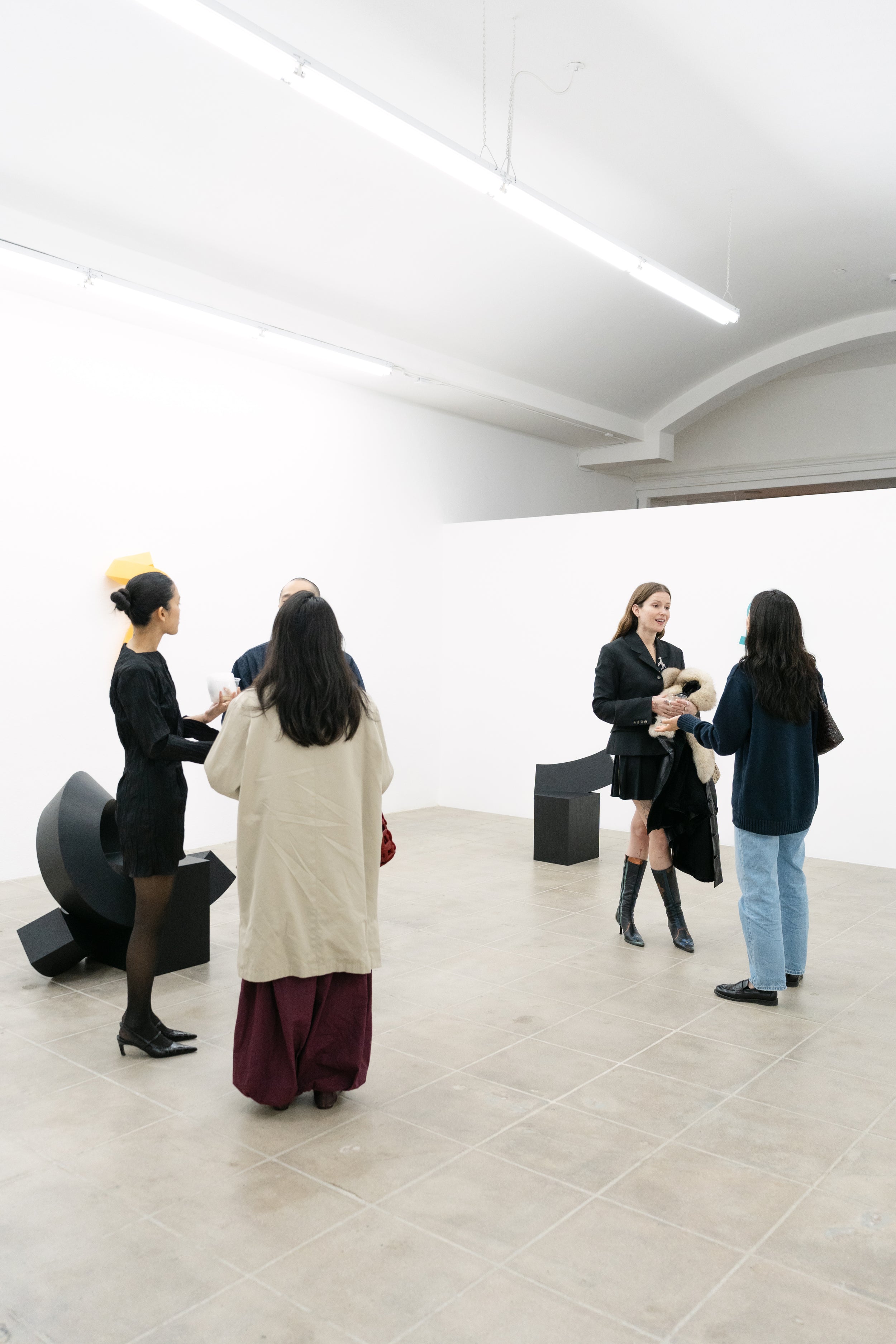
In his ongoing Cursive Structure series, strokes become spatial. Chairs, benches, and sculptures trace the movement of writing through space, forming what the artist calls “a voluntary expansion of the plane.” Within their sweeping arcs and suspended lines, viewers sense both freedom and discipline— the coexistence of bodily energy and architectural restraint.
For Kwak, calligraphy offers more than visual reference; it reflects a worldview of continuous change. Quoting theorist Sohn Gwa-Jung, he notes that nature is not fixed but “constantly growing and transforming.” His works embody that principle— living forms that breathe and flow. They invite viewers to experience the pleasure of form; dynamic curves that contrast with the static geometries of modern efficiency: the verticals, horizontals, and symmetrical grids that fill our daily environments, that open space for a sense of liberation.
Through his practice, Kwak hopes he can serve as a continuation of the calligraphic lineage passed down through Korean history, while also situating his work firmly within contemporary design discourse. Between furniture and sculpture, architecture and calligraphy, his pieces articulate a new spatial syntax—one where structure and breath, form and movement, coexist as a living language.
Chulan Kwak is a sculptor and designer whose work explores the transformation of calligraphic strokes into three-dimensional structures. He currently lives and works in Seoul.

Photos by Tracy Pacana